On Coming Home After Travel
Why returning can feel harder than leaving
Words and photography by Emily Schneider. 14th December, 2025.
The Strange Weight of Returning
“Consumerism rules, but people are bored. They’re out on the edge, waiting for something big and strange to come along… They want to be frightened. They want to know fear. And maybe they want to go a little mad.”
J. G. Ballard, Kingdom Come, 2006.
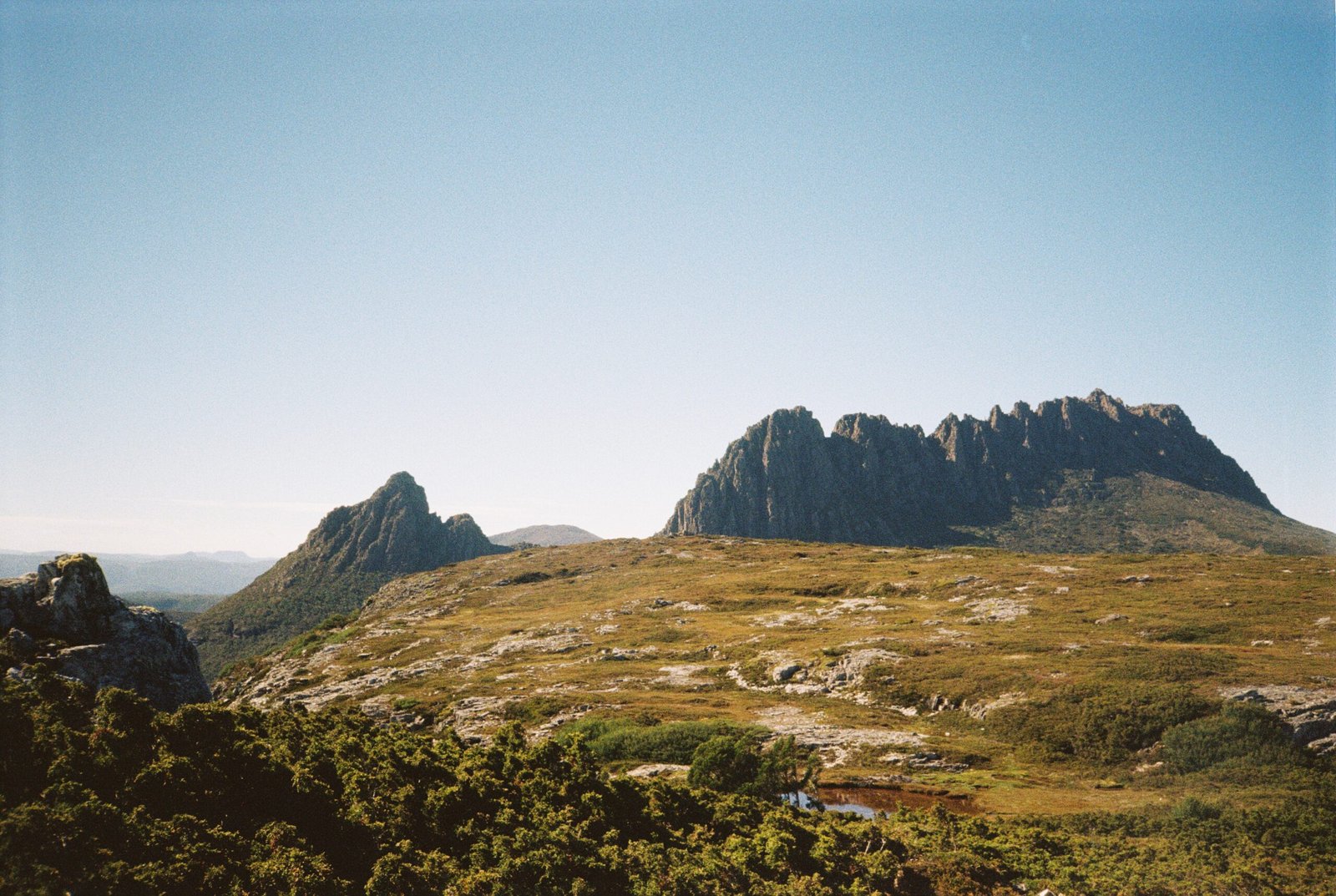
One of the scariest parts of long-term travel isn’t leaving – it’s coming back home once it’s all over. You’ve seen all the places you wanted to see. You’re full of stories. You feel changed, expanded. Softened in some ways, braver in others. You’re ready for the next chapter.
And yet, for some reason, as the end of the trip creeps in slowly, the thought of going back home begins to feel so intensely overwhelming. It’s uncomfortable, strange. Travel has altered you, so what happens when you step back into a place that still knows the old version of you? What will everyone think of this new you? Will she or he become lost or disappear as soon as they set foot on home soil again?
The idea of routine intimidates you. Terrifies you even. The drift, fluidity, and spontaneity of life on the move, how the days unfold without structure, are replaced by something sharper, more rigid. Home feels black and white. Predictable, heavy.
I think anyone who has spent a significant amount of time living abroad knows this feeling. When I was about ten minutes away from landing at London Heathrow a few weeks ago, after being away for just over six months, I suddenly became overwhelmed by this feeling of intense, chest-tightening anxiety. A quiet panic. What am I doing?
As we sunk lower and lower into the greyness and coldness that was once my everyday, my home, I began to grow aware of how foreign it now felt to me, more than anywhere I’d been over the past few years. The routine and stagnation I was about to plunge myself back into was becoming increasingly more real. I was already mentally planning my next escape. Back to Australia in March? Portugal in January if I save enough? Biarritz, maybe? If I find a remote job. It’s fine, I told myself. I’ll be back in Indonesia next year anyway.
Since when did home become so bloody scary? How is it that I was once absolutely terrified of leaving, and now the thought of returning feels even more so?
A Life Lived at Full Volume
After writing recently about the art of discovery and what it means in our current world, I’ve started to understand why coming home feels so destabilising. We live in an age in which we are completely oversaturated with information. We are smothered by a never-ending influx of images, voices, and people, and it’s quietly reshaping the way we move through the world. Not just how we explore places, but how we navigate our own lives.
We leave for work. Reach the bus stop. Open our phones for five minutes.
Immediately, we are drowning in a flood of messages, notifications, TikToks, Instagram posts – people living a hundred different lives at once. What I eat in a day. How to optimise your morning. Better bodies. Better routines. Better mindsets.
The bus arrives. We get on. Open our phones again.
New emails. New messages. Back to scrolling. Someone’s moving to Australia. Someone’s just come back. Someone’s running up a mountain. Now someone’s crying on a run, reminding us it’s okay to have hard days. Someone’s at 6 am Pilates. Someone else is up at 4 am building a side hustle before their 9–5.
Our stop arrives. We get off. Our minds are racing.
Why does my life seem like such a mess compared to theirs?
It’s okay, I’ll go to pilates tomorrow before work. I’ll squeeze in a run tonight. I have that marathon I signed up for in 2 months. Why did I sign up for that again? I should switch to matcha, it’s better for my hormones than coffee.
I should probably quit my job. But to do what? Maybe I’ll move to Australia because everyone says that’s the answer to everything. Oh, wait, the marathon in 2 months.
What do I actually want to do with my life? Everyone is telling me to quit my 9-5, but to what end? Everyone says your twenties should be free, but also successful. Money doesn’t equal freedom, right? But how can I be free with no money? How am I meant to live?
Gosh, writing this is exhausting.
What Novelty Gives Us
This is why discovery still matters so deeply. And why there has never been a more important time to protect it.
Travel places us back into environments that demand attention. We walk unfamiliar streets. Try new cafés alone. Start conversations because we have to. We place ourselves in the path of chance. And that’s where the excitement lives and the transformation occurs.
There’s a reason this feels so real on a bodily level too. When we place ourselves in unfamiliar environments – new languages, routines, social cues – our brains can no longer rely on autopilot. In neuroscience this is called neuroplasticity: the brain’s ability to rewire itself in response to novelty. Our brains are designed to grow when they are gently destabilised, meaning every unfamiliar sound we hear, decision we face, feeling we have pulls us into a state of heightened attention. We become more present, flexible, and alert. That’s why even a week of solo travel can leave us feeling different. Not because travel is some fluffy magical thing, but because our minds loosen and we remember how to adapt again. This cognitive flexibility is essential for creativity, emotional regulation, and long-term well-being.
The Quiet Grief of Familiarity
The problem with coming back home, and why it feels so scary, is because we lose this wonderful abundance of novelty that our brain loves so much.
We slot straight back in to the homes we used to live in. Old roles, jobs, and careers. Old workplaces with old colleagues who we go to the same weekly work drinks with at the same old pub. Old versions of ourselves reflected back at us by the people who love us, but who remember us as we were. Catch ups with old friends at the cafés where the owners know your name, your family, your relationship history.
There is comfort here, real comfort. Being known. Being held. Being rooted. This ease, warmth, and familiarity associated with ‘home’. But slowly, almost imperceptibly, we stop wandering. Suddenly, we’re back in the dull hum of routine and daily life. We stop placing ourselves in unfamiliar situations. Stop forming new connections. Stop letting life surprise us.
We scroll through algorithms that show us fragments of our past lives abroad. Someone boarding the same flight you once took, documenting the same feelings you once felt. People on their daily walks on sunny beaches or showing their post-work rituals of tanning and going for surfs. Others are climbing up mountains, walking through hectic food markets in Asia, or trying new pastries in Europe. It begins to feel less like memory and more like grief. And the question sneaks in quietly. Where has she gone? The girl I became over there?

Learning to Participate Again
In reality, home isn’t the problem. What’s changed is how easy it’s become to live vicariously instead of actively. We consume discovery second-hand rather than create it ourselves. That’s why coming home feels so empty – we stop moving through life with curiosity.
The spontaneity we associate with travel isn’t tied to geography. It’s tied to behaviour, curiosity, openness, a willingness to be slightly uncomfortable – all things we can practice anywhere. Travel feels transformative because it demands participation. Home does not.
Unless we ask it to.
The mild stress that comes with solo travel – when we miss trains, get lost, eat alone, or navigate unfamiliar spaces – has a name: eustress or manageable stress. It’s not overwhelm, but is more like challenge. These small moments of uncertainty activate our capacity for emotional regulation and self-trust. Each time we cope, adapt, or figure things out, our nervous system learns something important: I am safe in the unknown. Each small success becomes a quiet recalibration of your nervous system.That lesson is hard-won and easy to forget once life becomes overly predictable again.
So what can we do?
We wander, intentionally. We explore parts of our city we’ve never bothered with. Take day trips. Join clubs. Start new activities alone. Speak to strangers. Say yes more often. Walk without a destination. Read widely. Look at art. Listen, see, feel more deeply. Not as self-improvement, but as participation.
And we keep travelling when we can – but we stop waiting for plane tickets.
Travel changes us. But staying changed is something we have to practice.