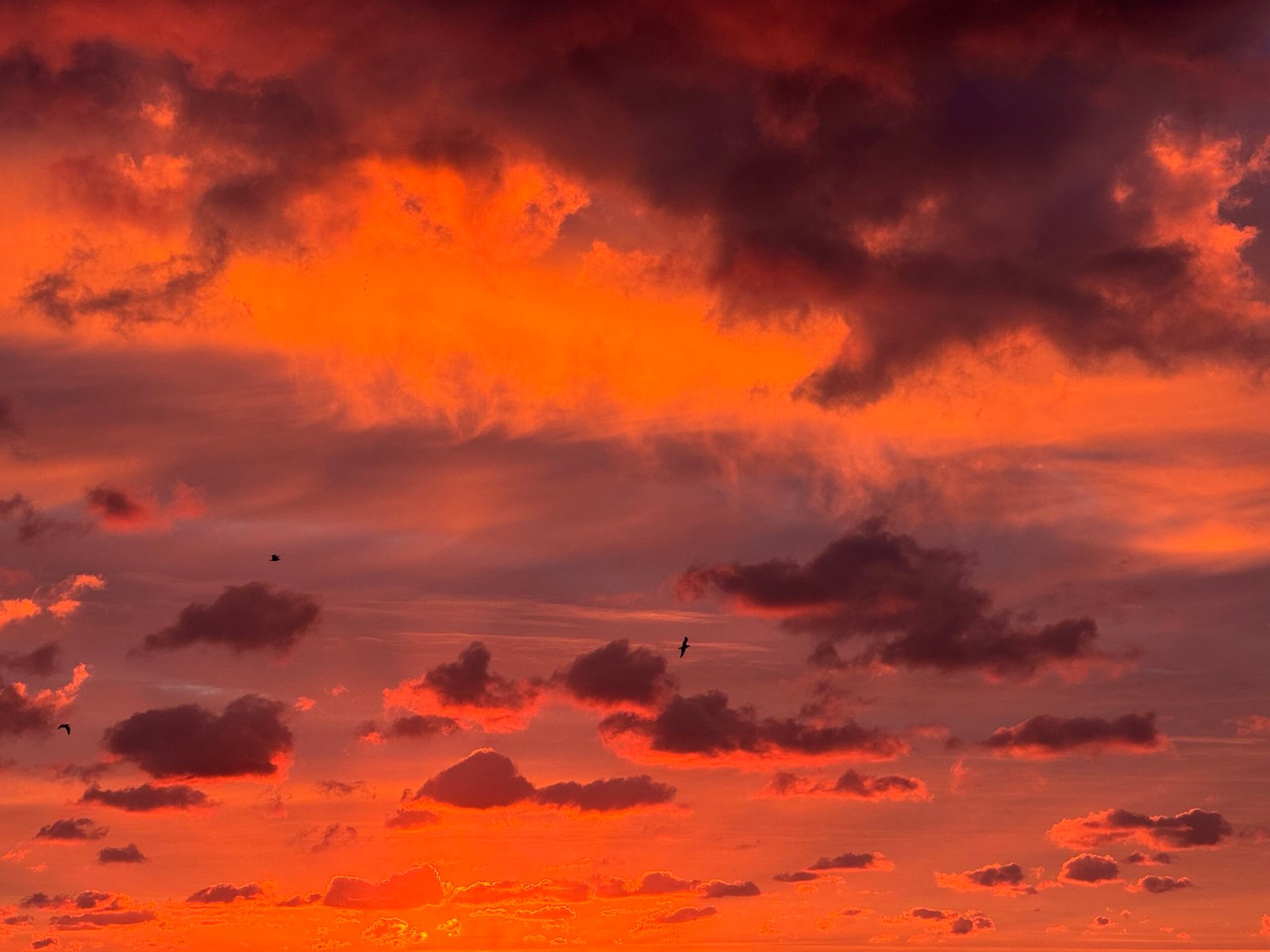
Are We Losing the Art of Discovery?
On uncertainty, self-trust, and finding wonder in a world obsessed with predictability.
Words by Emily Schneider. 9th December, 2025.
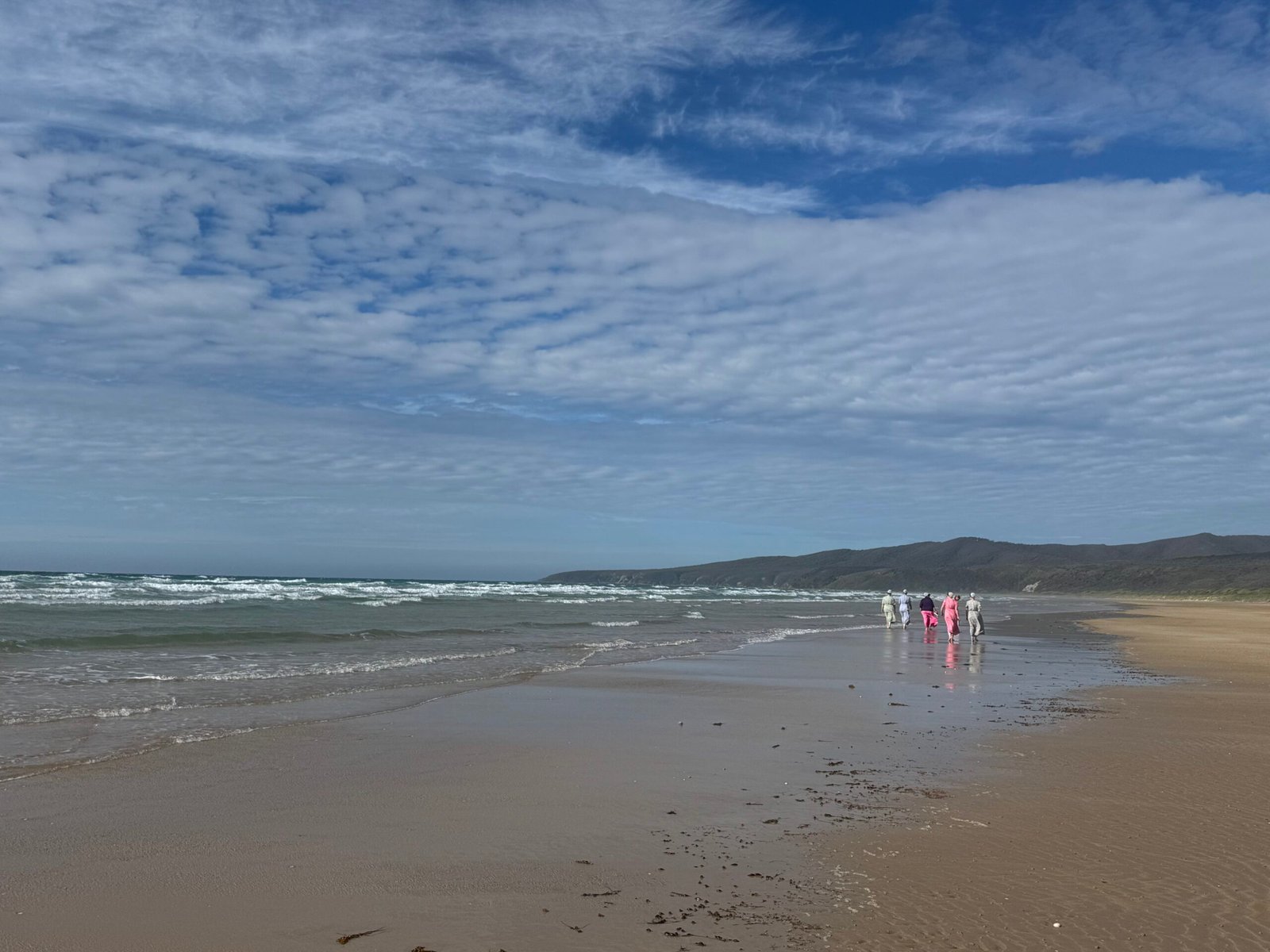
The Weight of Infinite Options
I’ve been thinking a lot about the idea of discovery lately. Not just in the romanticised travel sense, but in the quieter, more intimate ways it threads in and out of the choices we make and the paths we take in life, often long before we understand why. The thought resurfaced when I came across a line by Deborah Levy:
“An experimental life. What is the point of having any other sort of life?”
It stayed with me, partly because so much of modern living feels like the opposite of experimental. We are offered more options than ever before, delivered through an endless stream of information, guidance, reviews, instructions, and opinions. We know everything before we arrive. We anticipate the ending before we begin.
And yet, despite this illusion of infinite possibility, many of us are more overwhelmed than ever.
I’ve felt it intensely over the past year: the disorienting abundance of potential futures. Doctor? Lawyer? Designer? Entrepreneur? Move back to Australia? Stay in the UK? Move to Portugal and work remotely? Open a café? Learn to silversmith? Accept a corporate job I don’t understand? And I don’t think I’m alone in this. Most people I know – all ambitious, thoughtful, outwardly ‘sorted’ – experience the same quiet sense of misalignment.
The velocity at which modern adulthood takes place is exhausting. A constant hum of information, expectation, comparison, and possibility. We’re functioning at 100 miles per hour without a second to breathe, yet somehow we’re still convinced that we’re falling behind.
There’s a word for this: pâro.
“The feeling that everything you do is always somehow wrong… as if there is an obvious way forward that everybody else can see but you.”
We consume so much of other people’s lives through our screens that we begin to mistrust the direction of our own. We become paralysed at the crossroads of a thousand potential futures. Entire journeys – careers, wellness, travel, love – unfold before our eyes, pre-packaged and algorithmically delivered, long before we ever get the chance to wonder what our version might look like.
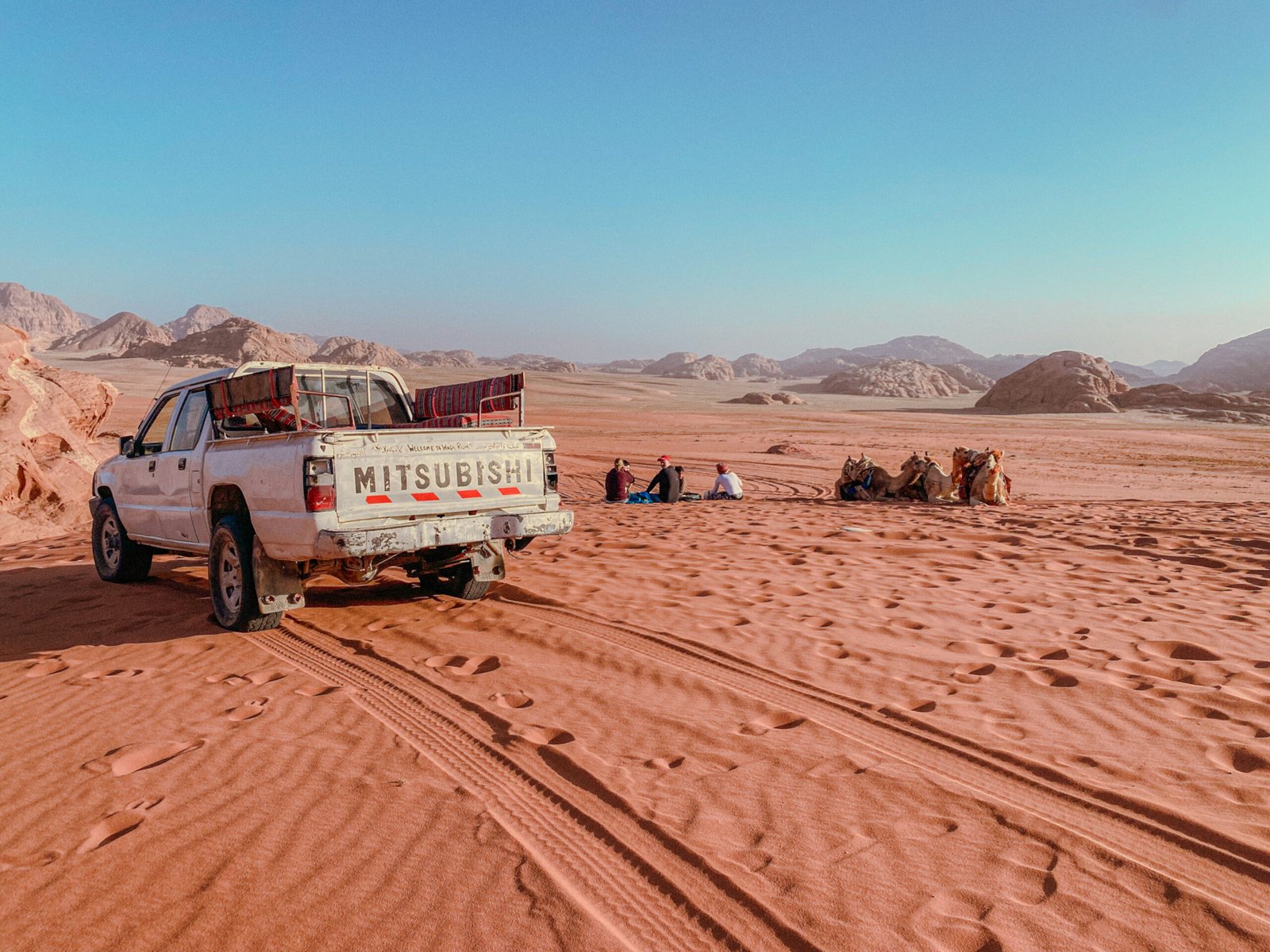
When the Algorithm Shapes Our Dreams
This isn’t just a cultural observation. I felt it acutely before I moved to Australia. Recently graduated and standing at the edge of adulthood, I found myself freshly thrown into the state of confusion and overwhelm perfectly articulated by the word pâro.
I remember half-joking, half-serious, asking my mum:
“What if the only reason I want to move there is because my algorithm told me to?”
My social media was saturated with sunrise surfs, ocean pools, oat-milk flat whites, impossibly golden and toned bodies, and captions insisting that relocating to the other side of the world was the secret to fulfilment. It’s a disorienting feeling, realising your desires might not fully belong to you.
And yet, algorithm or not, moving to Australia became one of the best decisions I’ve ever made. Perhaps the algorithm knows me better than I thought.
What made the experience so special was not the glossy version of Australia I’d been fed online, but the way solo travel pushed me to discover myself. How cliché of me, I know. But it’s the truth. Solo travel forced me to live spontaneously; day by day, hour by hour, sometimes minute by minute. Because, even in a world where you’ve already seen your destination a hundred times through someone else’s lens, there remains one thing no algorithm can predict: the strangers you’ll meet, the conversations that subtly shift your path, the quiet moments that change you.
I embraced solo travel with almost no plans. Just presence. Letting each day unfold without expectation. Learning who I was in new climates, new environments, and new uncertainties.
But even within that freedom, something didn’t sit quite right.
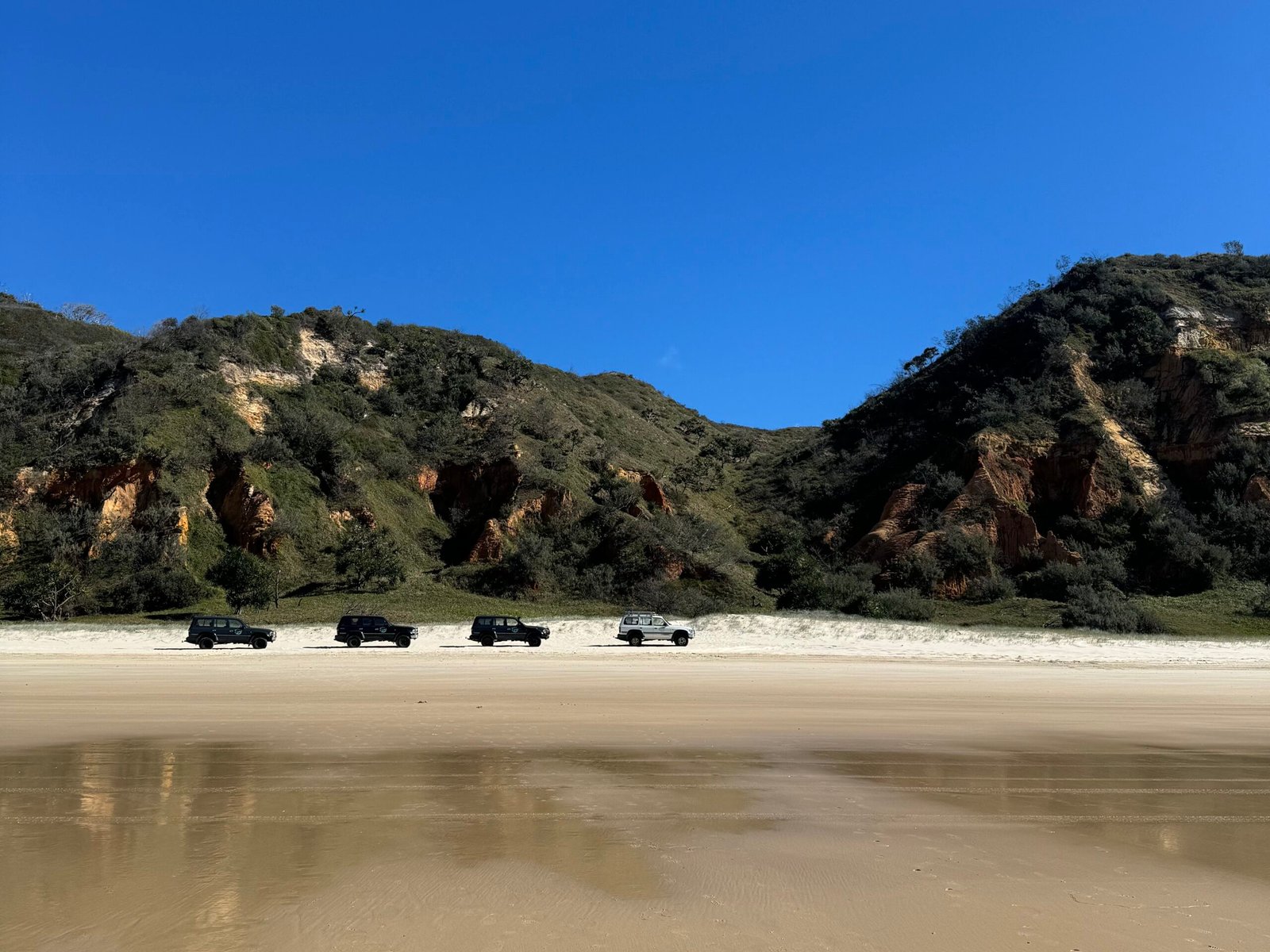
When Travel Stops Feeling Like Discovery
As any backpacker does, I followed the classic East Coast route from Sydney to Cairns. And despite how expansive it felt internally, I realised how easily travel itself can lose its magic in a slightly different way.
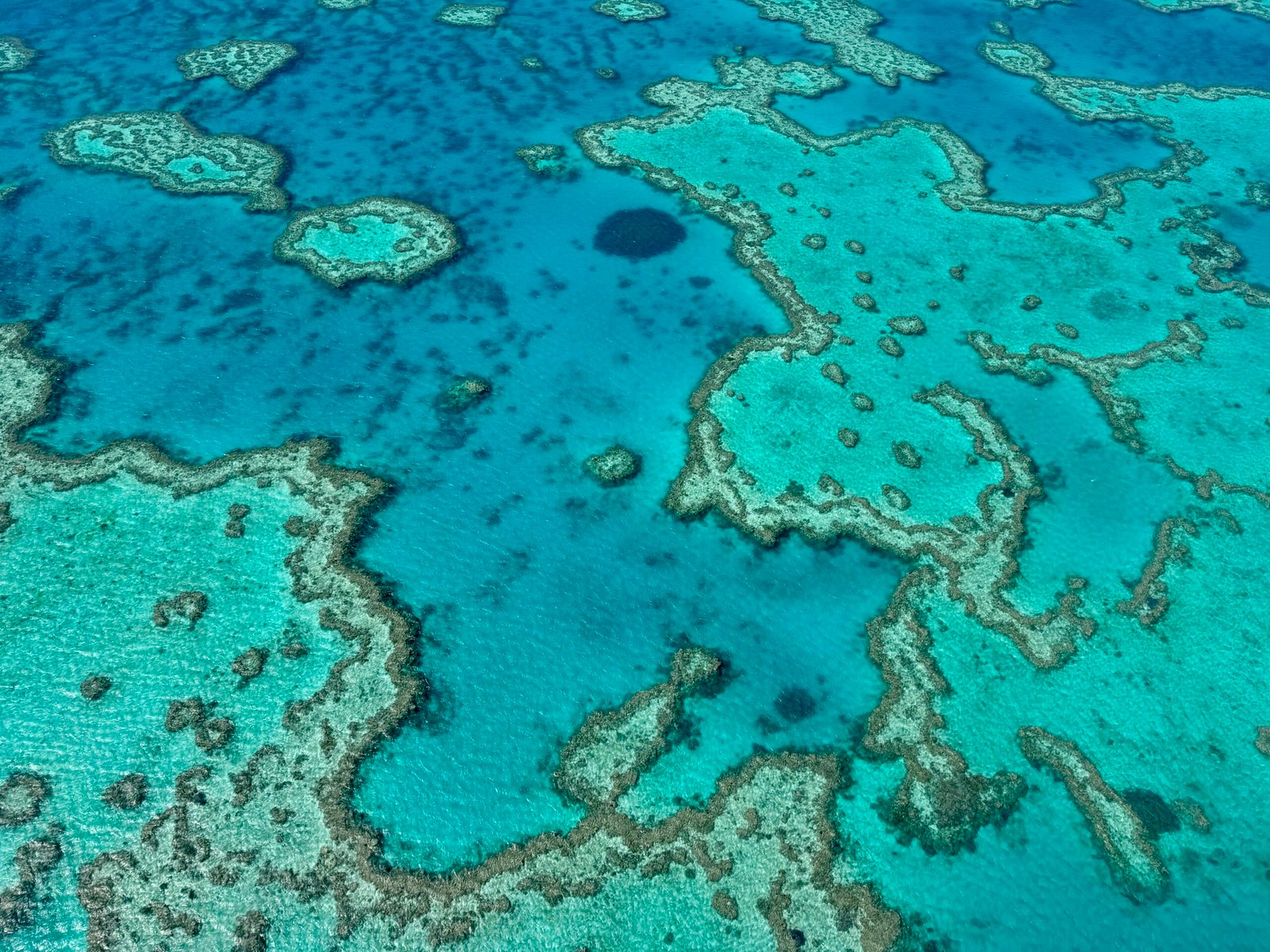
I remember standing at the Whitehaven Beach viewpoint in the Whitsundays, arguably one of the most photographed places in the world, and feeling close to… nothing. Not awe. Not wonder. Just an unsettling familiarity. I’d already seen this exact frame thousands of times, delivered to me repeatedly before I ever arrived. It felt as though I was living a moment that wasn’t truly mine.
Instead of discouraging me, that unsettling familiarity made me crave deeper uncertainty. Experiencing that taste of spontaneity and self-discovery had made uncertainty feel, in some way, addictive. Once I had felt it, I wanted more of it.
Not in a reckless way, but in a curious way. A desire that asked:
What else might I find if I stop trying to pre-script my life?
Becoming Addicted to the Unknown
It wasn’t that I began travelling “differently.” It felt more like sinking deeper into the instinct that had already begun developing in me. A pull toward experiences untouched by online familiarity. Toward conversations instead of itineraries. Toward the parts of life that modern adulthood quietly trains us to avoid: chance, uncertainty, the unknown.
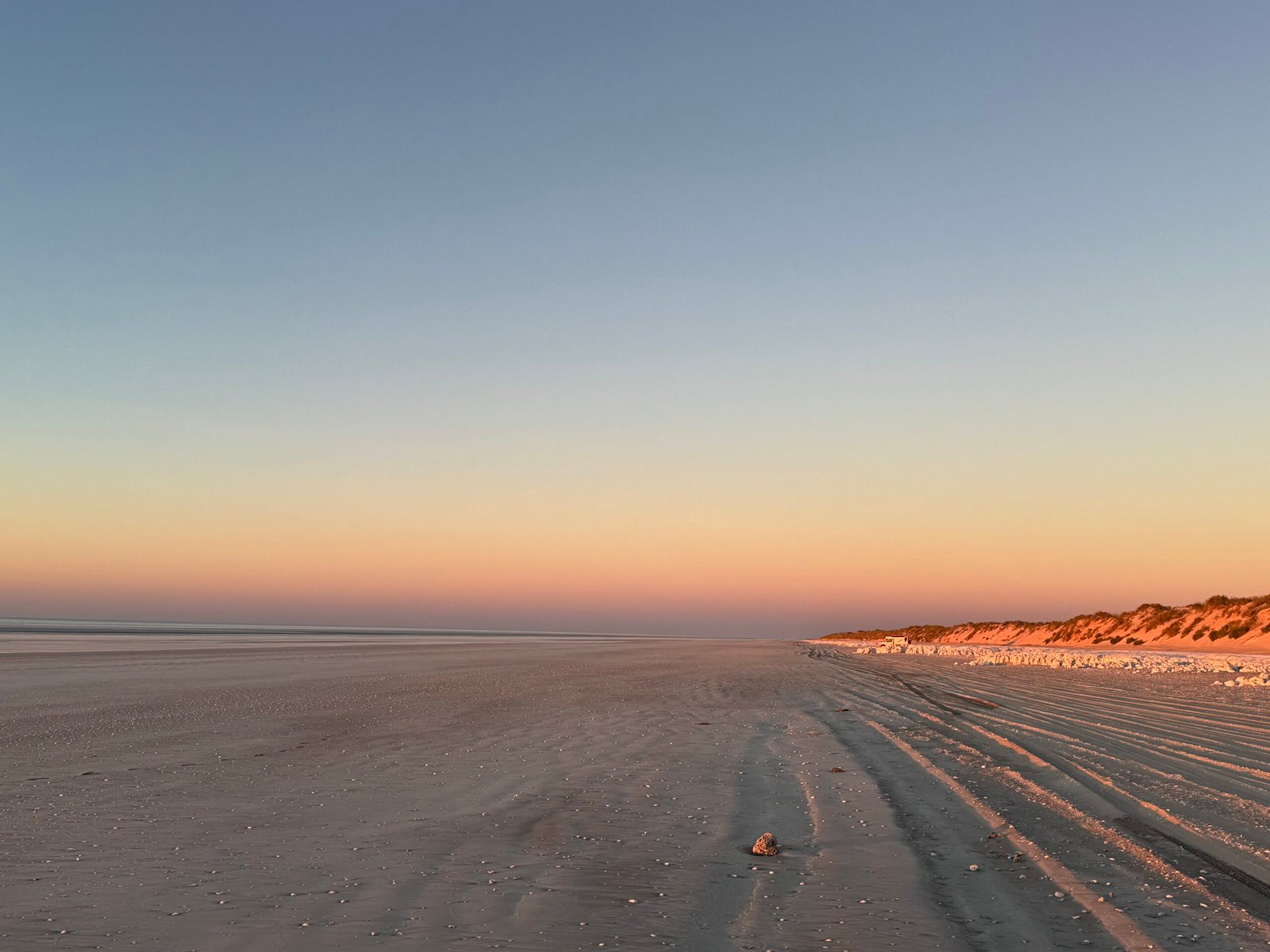
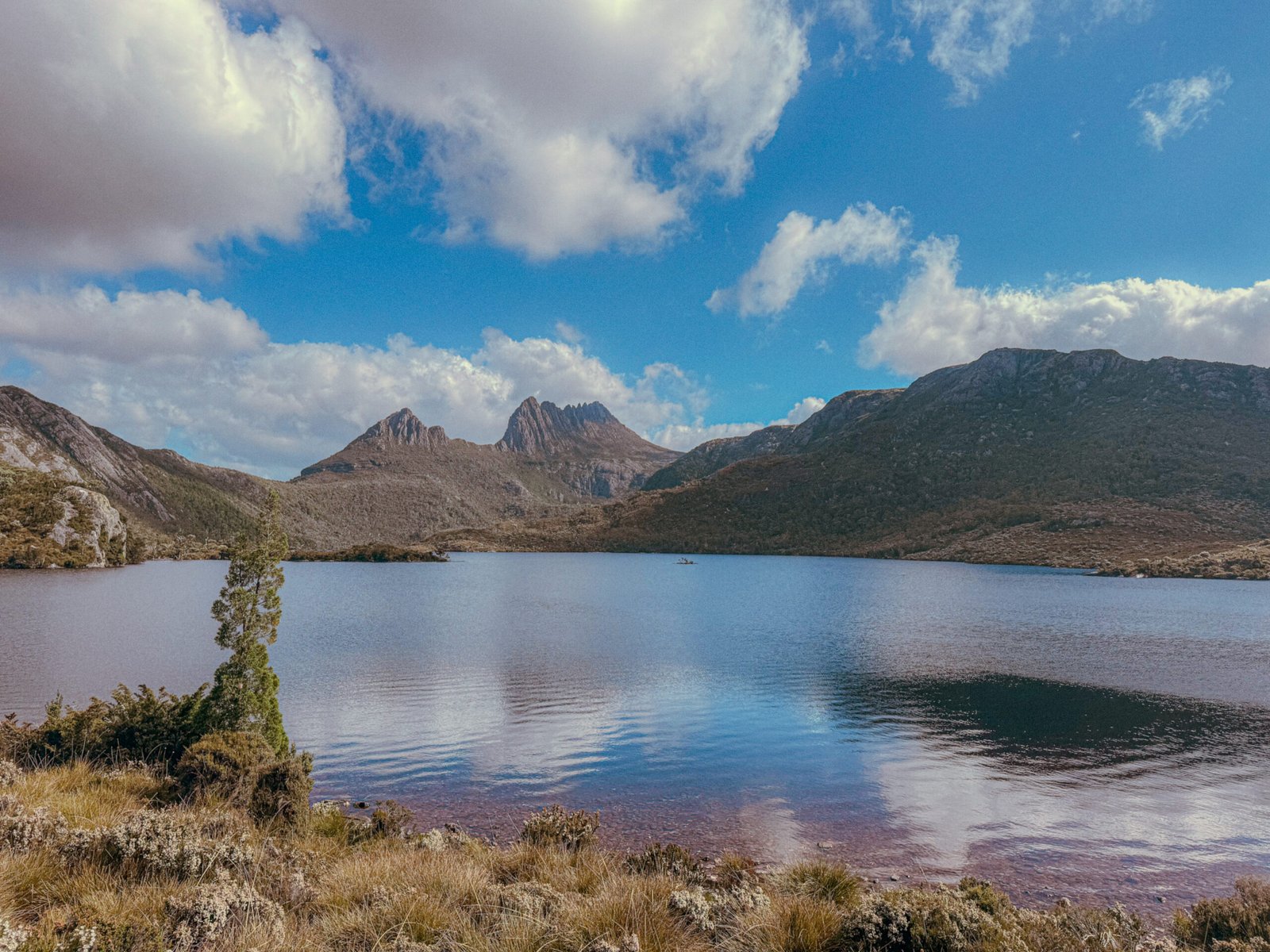
I started by booking a flight to Tasmania two days before leaving and letting an hour-long conversation with two strangers in the Hobart Arc’teryx store shape my entire road trip. I then ended up on a last-minute plane to Darwin to drive 5,000 kilometres to Perth, with no clue that I’d end up driving half of it off-road across the outback. I began to follow real recommendations from real people, not the listicles, not the “Top 10 Hidden Gems” every influencer seems to know. Those were the moments where discovery returned to what it has always been at its core:
Not spectacle, not performance, but a practice of paying attention.
Of listening.
Of wandering.
Of allowing the unexpected to enter.
It’s privileged, of course, in a world where everything is mapped, reviewed, rated, and reposted. It takes conscious effort to keep anything a surprise.
A Culture of Predictable Living
People often react with alarm when I travel this way:
“You’re crazy.” “As a woman? Alone?” “I could never.”
And maybe that’s part of the issue. We’ve become a culture so obsessed with predictability that anything unscripted feels dangerous. Our lives unfold in colour-coded Notion templates. Our trips are shaped by places we’ve already absorbed through a hundred screens. Even our spontaneity is curated. We fear the unknown because knowing has become the norm.
I want to talk a little bit about Bali here. I lived there for six months and found myself caught between two worlds: the deeply cultural, spiritually rooted rhythm of Balinese life, and the hyper-curated expat and tourist ecosystem built almost entirely for performance, a rapidly expanding industry of people chasing the same ‘authentic’ moments they’d already watched online. People racing around to take photos of themselves at waterfalls they’ve seen a thousand times on Instagram, building soulless villa complexes for passive income, opening cafés and living in suburbs indistinguishable from those in Sydney or London, all while convincing themselves they’d moved somewhere ‘spiritual.’
We fly across the world only to relocate to the neighbourhoods we left.
We arrive seeking transformation but settle for replication.
After a while, I felt restless.
So I went north. Partly out of curiosity, partly out of rebellion. I wanted to see Bali unfiltered. Unoptimised. Unperformed.
Where Wonder Still Lives
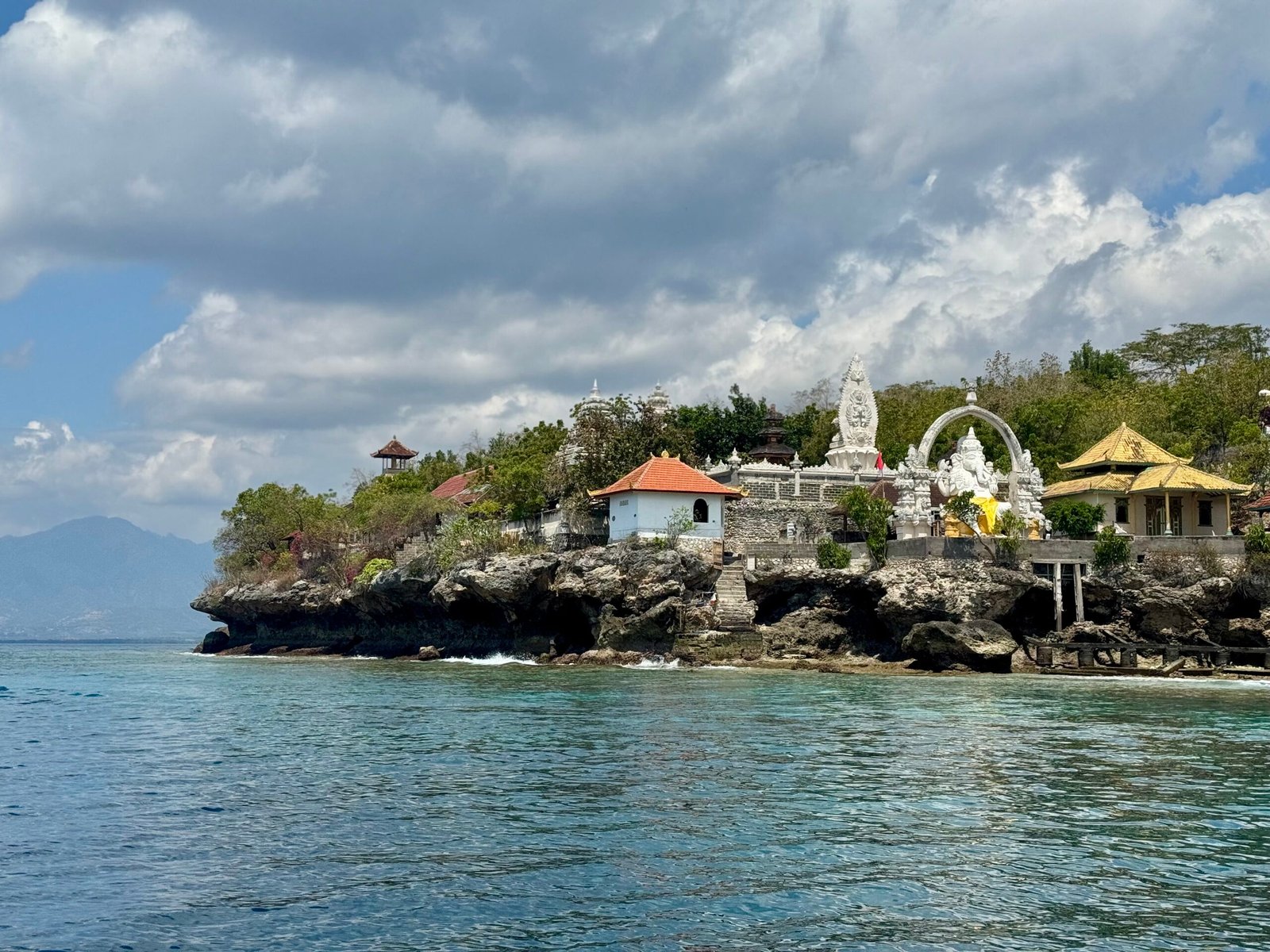
The north-west was the first place in Bali that felt like true discovery to me. Not because it was untouched or remote, but because I arrived with no expectations. No saved Reels. No geotags. No preloaded visual of what the moment “should” look like.
And in that absence, wonder reappeared. Not loudly, but softly. With gentleness.
It became my favourite part of the island, so full of secrets: some of Indonesia’s best diving, a protected nature reserve home to deer and black macaques, mangroves and mountains, sandbars you can paddle board to. It still amazes me that in a world where information is limitless and movement is so easy, almost no one comes here – simply because it doesn’t exist online.
Those moments – the unplanned ones, the human ones – are where discovery appears and feels most like itself. Where life becomes something you participate in, rather than something you replicate.
So, Are We Losing the Art of Discovery?
Maybe. But I don’t think it’s gone.
I think discovery now asks something different of us: a level of intention we’re not used to exercising. It asks us to walk toward the path with no signposts. To choose conversations over algorithms. To say yes to experiences we haven’t already previewed through someone else’s lens. We don’t stumble across magic the way people once did. We scroll past it first. We save it, catalogue it, plan for it. And in doing so, we soften its edges. We dilute the wonder.
But what I’ve learned through moving countries and throwing myself into places I knew nothing about until the moment I arrived, is that discovery isn’t disappearing.
It’s simply quieter now. More elusive. It requires a kind of self-trust we’re slowly forgetting how to practise.
Discovery still exists, but it tends to live in the moments we haven’t rehearsed. The detours. The unexpected conversations. The choices that make no sense on paper. It lives in the parts of the world we haven’t already consumed second-hand.
Maybe the art of discovery isn’t something we’ve lost, but rather something we now have to protect. From noise. From imitation. From the instinct to seek reassurance before experience.
And maybe the most radical thing we can do today is allow ourselves to be surprised.
In a culture obsessed with certainty, maybe choosing an experimental life isn’t reckless at all. Maybe it’s the only way to reclaim wonder. And maybe discovery today is less about finding new places, and more about finding new ways to move through the world – slowly, curiously, bravely – with just enough softness to let the unknown in.