A Road that Never Ends
Most of my trips seem to begin the same way: a last-minute decision and barely two days between booking and boarding. I always tell myself I’ll plan better next time, but somehow it never happens.
Whilst living in Bali for the best part of this year, I needed to leave the country to sort a visa, I figured it was the perfect excuse to return to my favourite place: Australia. I had been craving big open spaces again, and Perth seemed an easy choice as it’s only a short, cheap flight away from Bali. Naturally, I also decided that going to Perth meant I had to drive the entire West Coast. A reasonable conclusion, obviously.
Then I noticed that the Rottnest Island Marathon happened to fall on that same week, an event I had previously heard of as one of Red Bull’s “must-run” races. In a moment of misplaced confidence, I signed up for the half.
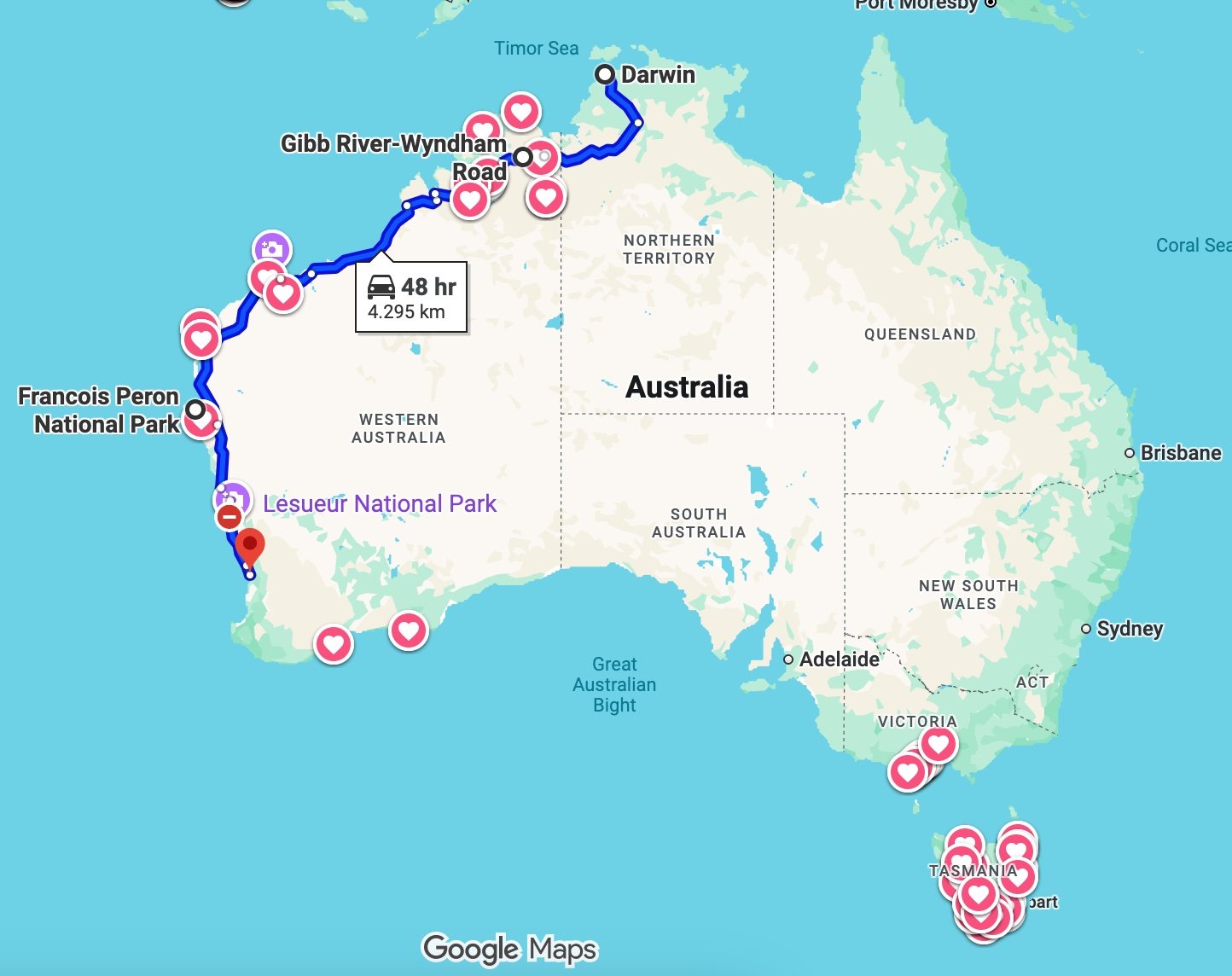
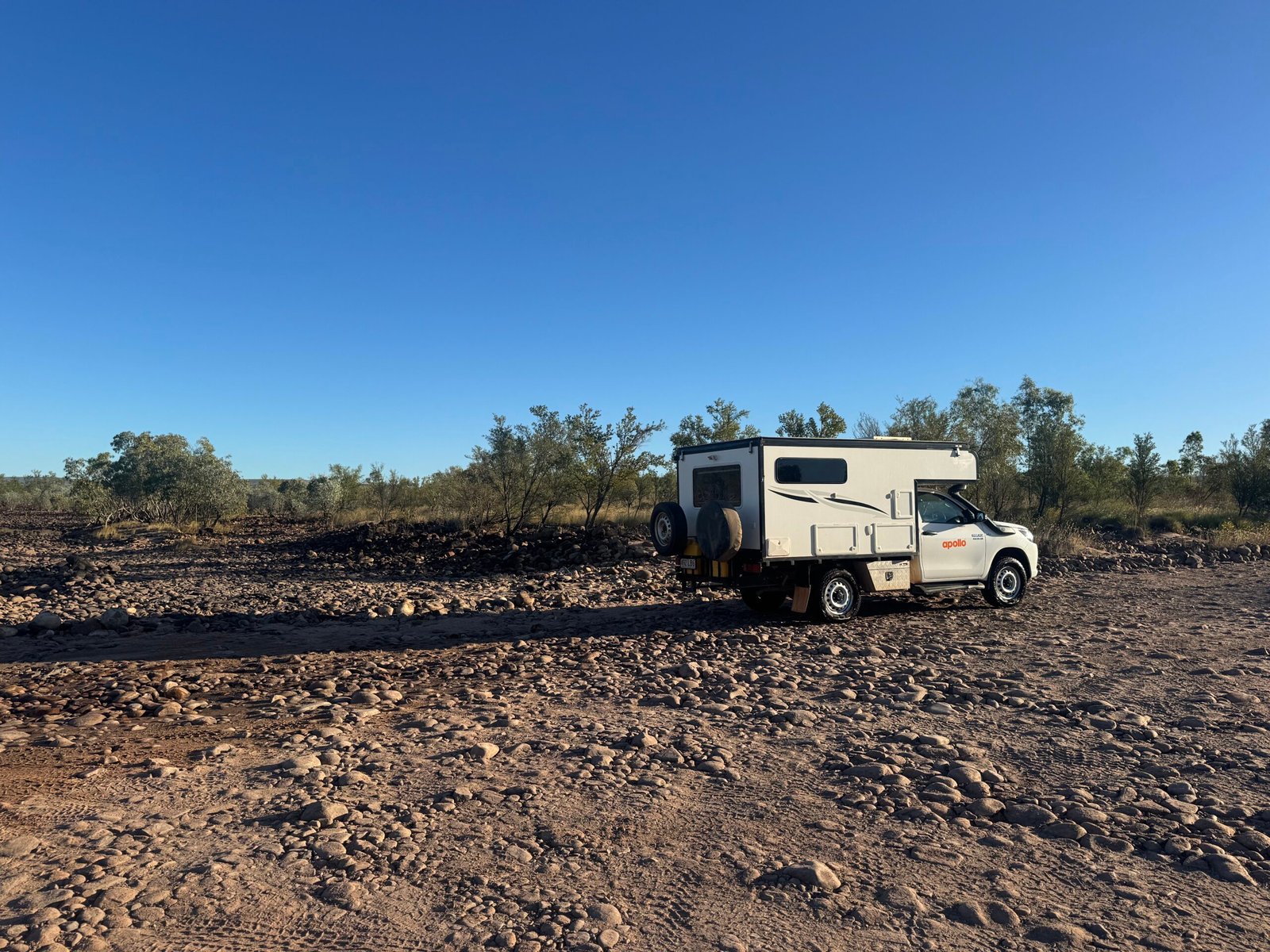
Originally, I planned to start in Broome and finish in Perth with the half-marathon, but flights to Broome were expensive and affordable rental cars were scarce, especially the 4×4 I was so irrationally determined to have. I was also, inconveniently, broke. But two days before I had to leave Indonesia, I found a relocation deal for a Toyota Hilux camper from Darwin to Perth. 5,000 kilometres. Eight days. No extra time allowed. I booked it instantly.
It wasn’t until I was packing my bag that the distance really hit me. Eight days alone across the outback. I’d never done anything remotely like it.
Into the Northern Territory
I’ll admit, I was nervous about the Northern Territory. I’d heard the usual stories: endless red dirt, rough roads, and a kind of wildness that makes even seasoned Australians tread carefully. My plan was simple: land in Darwin, pick up the car, and drive west.
But Darwin surprised me. My Uber driver was warm and chatty, and the car rental staff were calm and amused when they realised I’d be driving solo across the country in such a short time. Their enthusiasm eased my nerves, and suddenly, the idea didn’t feel so reckless anymore, just exciting.
It took hours to get the car sorted, time I spent flipping through travel magazines in the waiting area, tracing red lines across maps of waterfalls, gorges, and dust-choked roads. For the first time, I started to imagine the journey rather than just the idea of it.
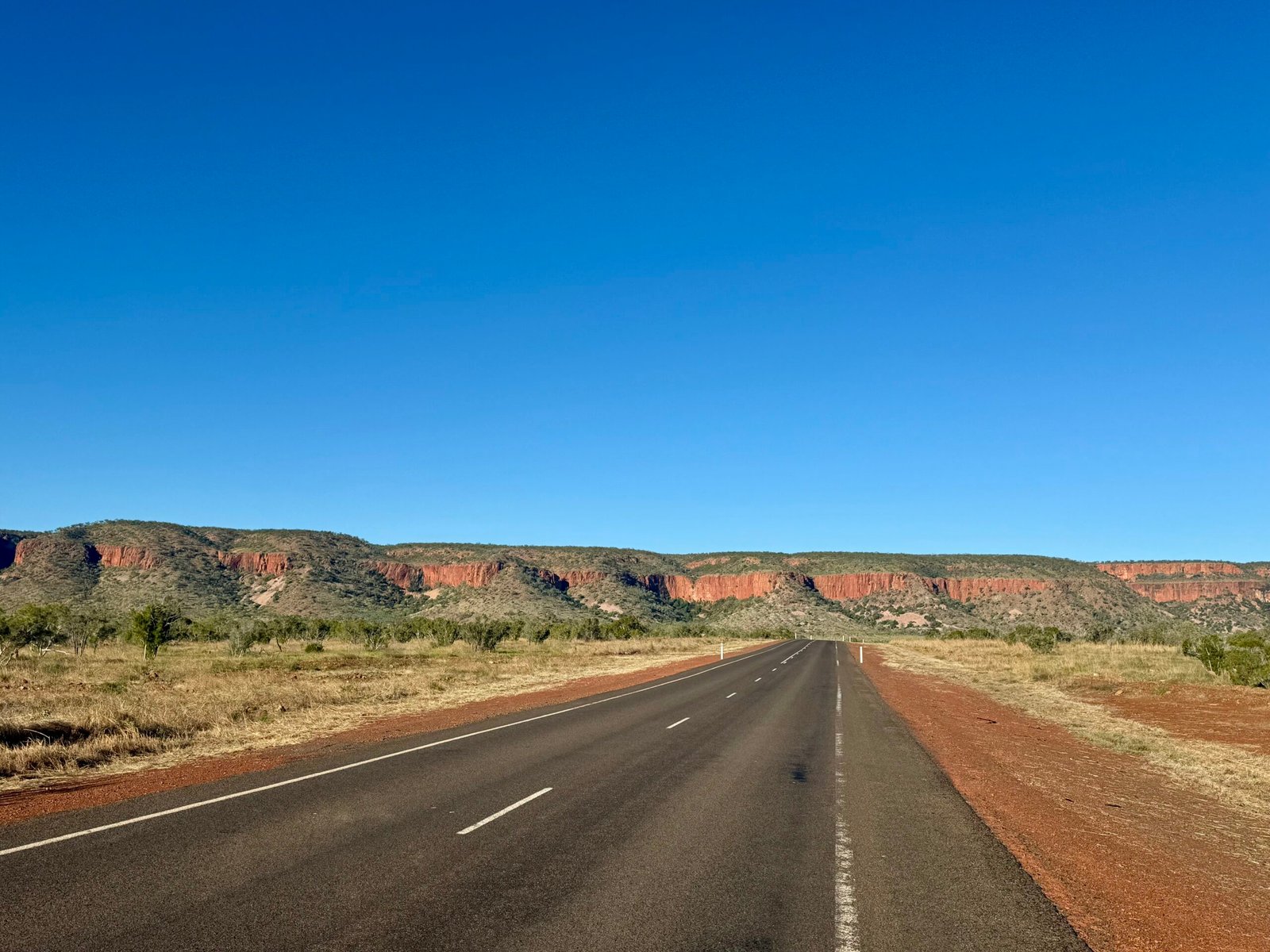
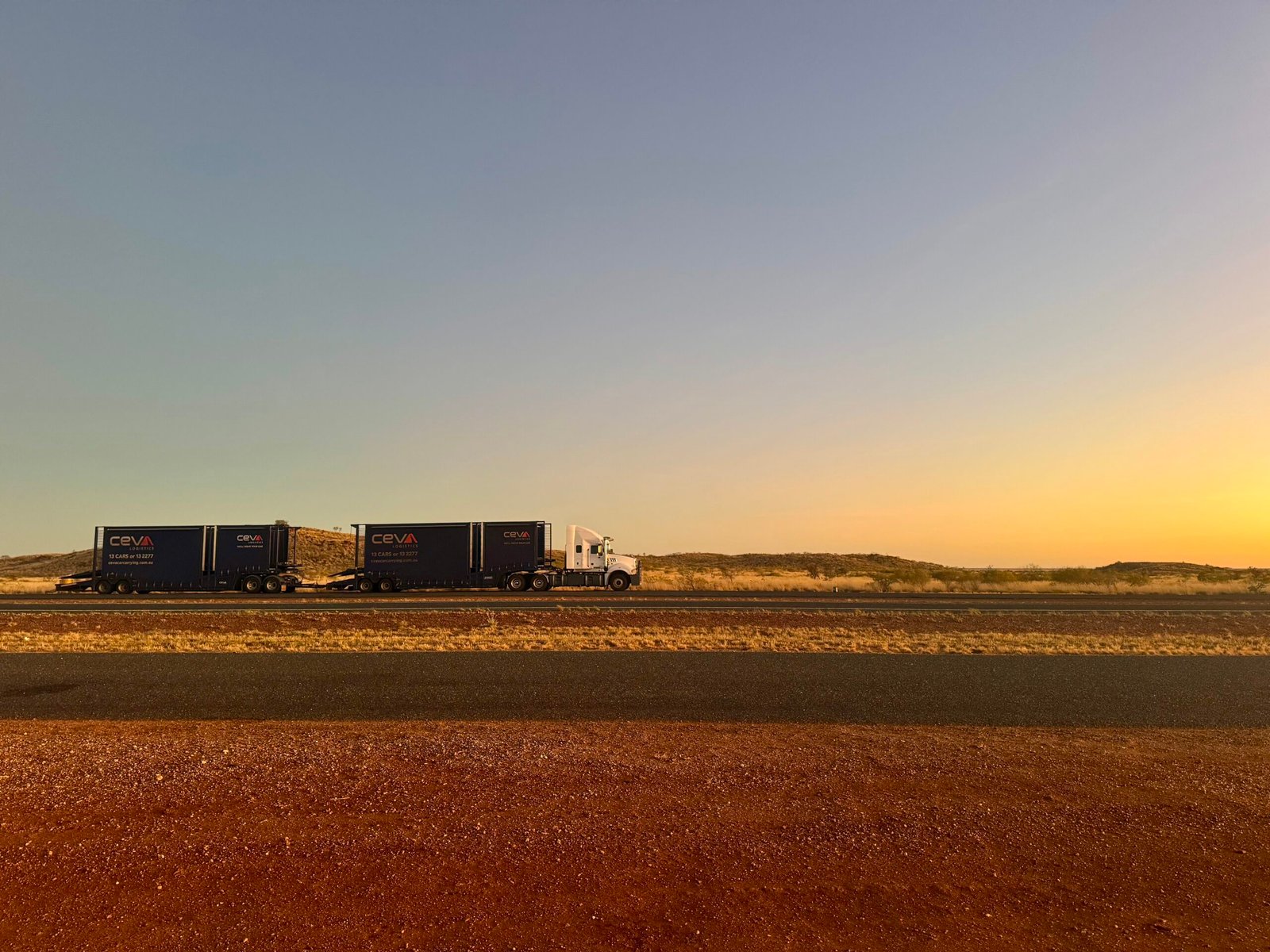
By late afternoon, I was finally on the road: stocked up on food, jerry cans full, and heading south with the windows down, the desert air hot and still. Every now and then, a road train would thunder past as the horizon stretched indefinitely ahead with that cinematic emptiness you only find in Australia.
As the sun began to set, the drive started to feel long. Exhaustion crept in, mixed with the quiet nerves that come from realising you’re just a girl alone in the outback. I caught myself glancing at the map more often, silently hoping the campsite I’d marked would feel safe. Most of the ones I had passed so far were little more than truck stops on the side of the highway, and the thought of pulling in alone at a spot like that didn’t sit well with me.
By the time I reached my campsite, a small spot close to the road but tucked away enough to feel safe and sheltered, it was just after 1 a.m. Somewhere about 400 kilometres west of Katherine, 100 kilometres from my next stop Lake Argyle, and 700 kilometres from Darwin. I stepped out of the car, looked up at the sky, and instantly, a streak of light cut across it: a shooting star, sharp and bright.
In that moment, everything felt still. The air was warm, the only sounds the hum of insects and the faint ping of the cooling engine. Every ounce of tension I had been carrying seemed to lift. I stood there, somewhere between exhaustion and disbelief, completely alone. And it felt perfect.
The Detour I Probably Shouldn't Have Made
Okay, please don’t out me for this one; we all have free will, right? But yes, technically, you’re absolutely not allowed to take relocation cars off-road. Or drive them at night, for that matter. I signed the forms, nodded along, pretended to be responsible… and then immediately ignored all of that. What’s life without a little risk?
In my defence, as the friendly French guy at the car rental counter handed me the keys, he said with a cheeky grin, “If you can, drive it at night. And definitely go off-road.” Dangerous advice, but I took it as a sign.
At first, I hadn’t planned to leave the safety of sealed roads. But I’d kept that travel magazine from the rental office; the one with those perfect shots of 4x4s kicking up red dust between ridge lines. I couldn’t stop flicking back to those pages. That’s when I first came across the Gibb River Road, 660 kilometres of dirt track running through the heart of the Kimberley. A stretch of road that either calls you or scares you off entirely; there didn’t seem to be much in between.
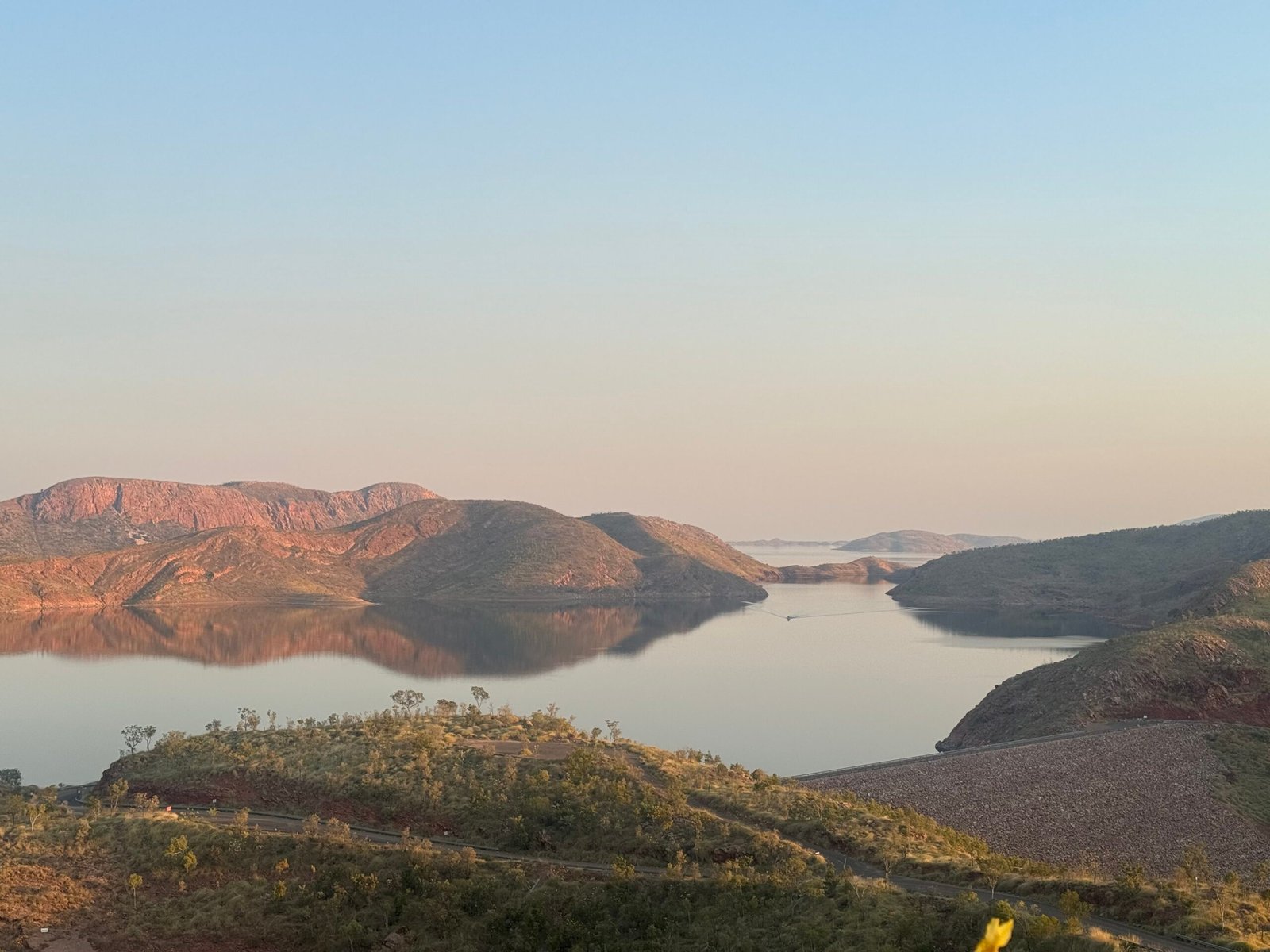
I reached Lake Argyle early that morning, a sheet of blue wrapped in red cliffs that seemed to stretch out infinitely into the distance. It is easily one of the most impressive lakes I’ve ever seen. Unless you can splurge on a scenic flight (and honestly, you should if you can), you’ll only glimpse a “small” section from the campsite. I sat overlooking the water, wondering what lay beyond this already vast part of the lake that made up only a sliver on the map. Over breakfast, I looked over those magazines again, still debating whether I was actually about to drive solo across the Gibb River Road.
On a short hike later that morning, I met a lovely older couple who had just come from the road itself. They’d been travelling around Australia for months in their 4×4 and assured me it was absolutely worth it, especially in June during the dry season, when the conditions are the best. They said if I ran into trouble, help would find me eventually. Out here, everyone looks out for each other. That was all the reassurance I needed.
Decision made, I headed to Kununurra, the last proper town before the Gibb River Road, to stock up on food and fuel. I then continued west towards one of Australia’s most iconic outback drives.
At the Red Heart of the Kimberley
Before this trip, I’d never really driven off-road. My only “experience” was accidentally taking a battered rental Camry down half of Tasmania’s unsealed backroads, a story for another day. But in my head, if that car survived, surely a Hilux would be unstoppable.
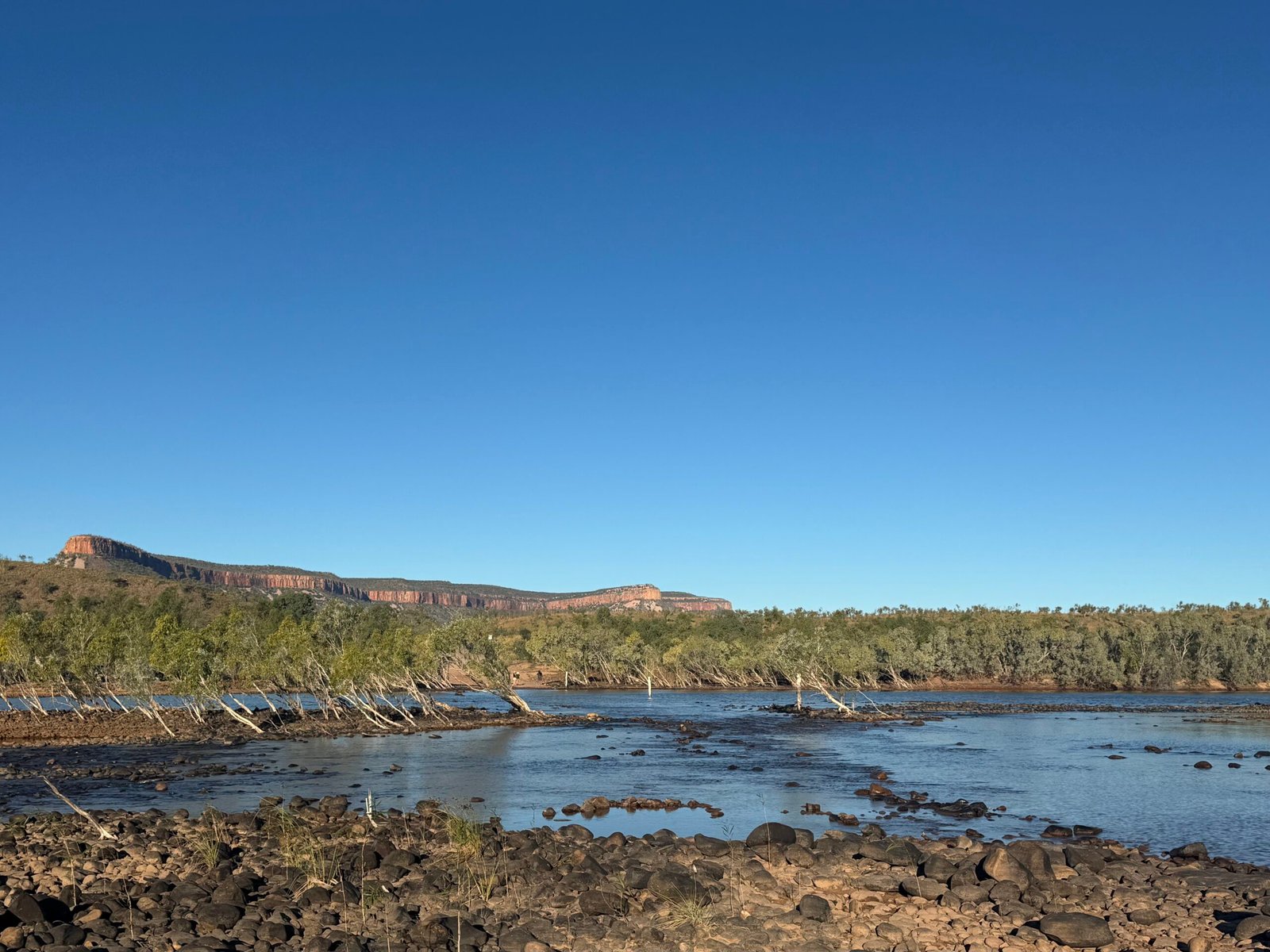
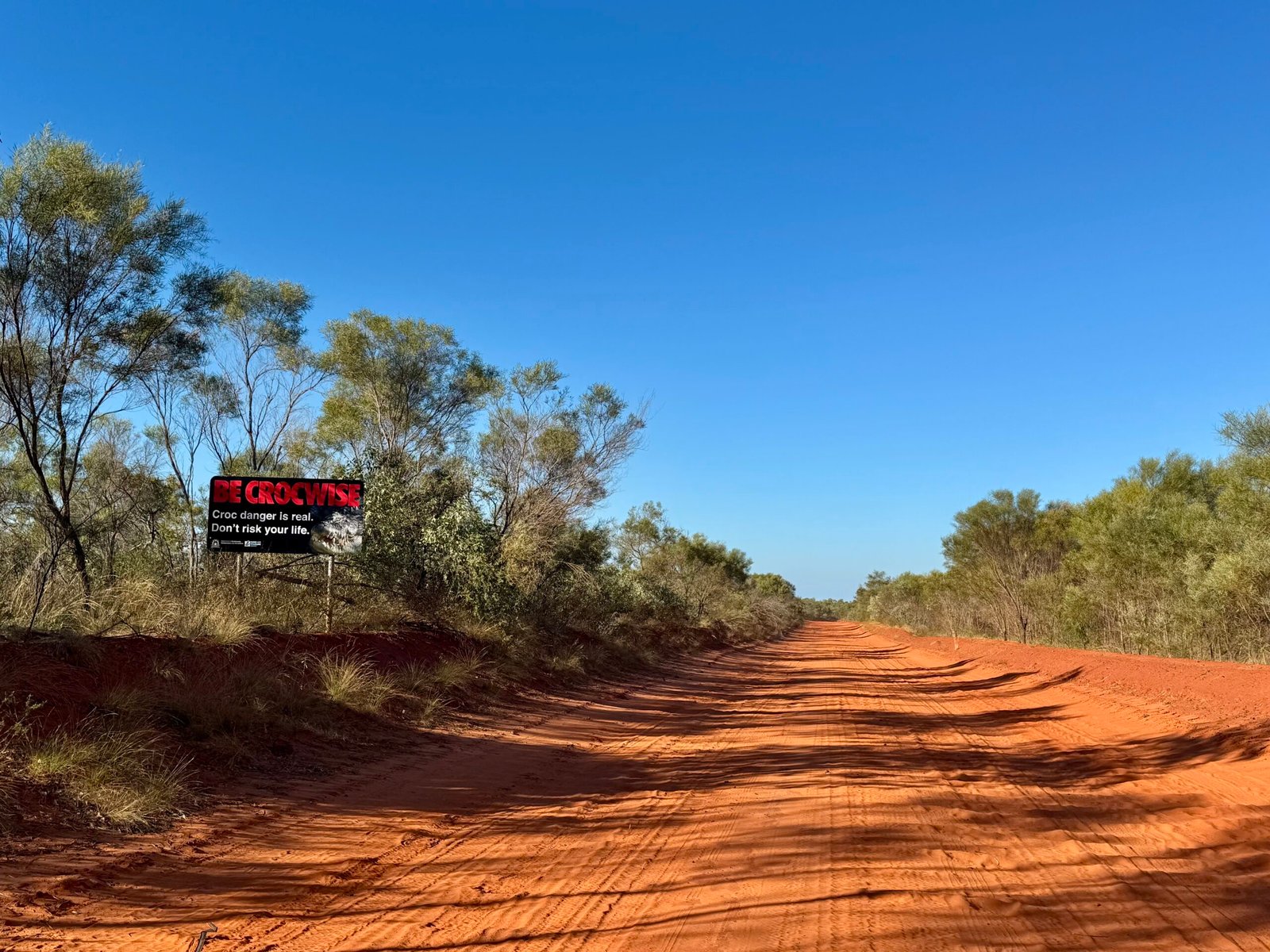
After a couple of hours on the road, the tarmac abruptly ended, and the first real test was presented to me: a huge river crossing. The track disappeared into the water for what looked like hundreds of metres, the far bank a faint ribbon of mud and rock. To make matters worse, a small crowd from a nearby campsite had gathered to watch the evening entertainment: me.
I pulled up slowly, rolled down the window, and sheepishly asked a nearby family if it was safe to cross. “Only about a foot deep,” the woman called back. “You’ll be fine. Get it, girl.”
So I did. The tyres hit the water, the current rippling against the doors, as the sun sank low behind me, washing the whole scene in warm shades of gold and red. When I rolled out onto the far side, I couldn’t stop smiling.
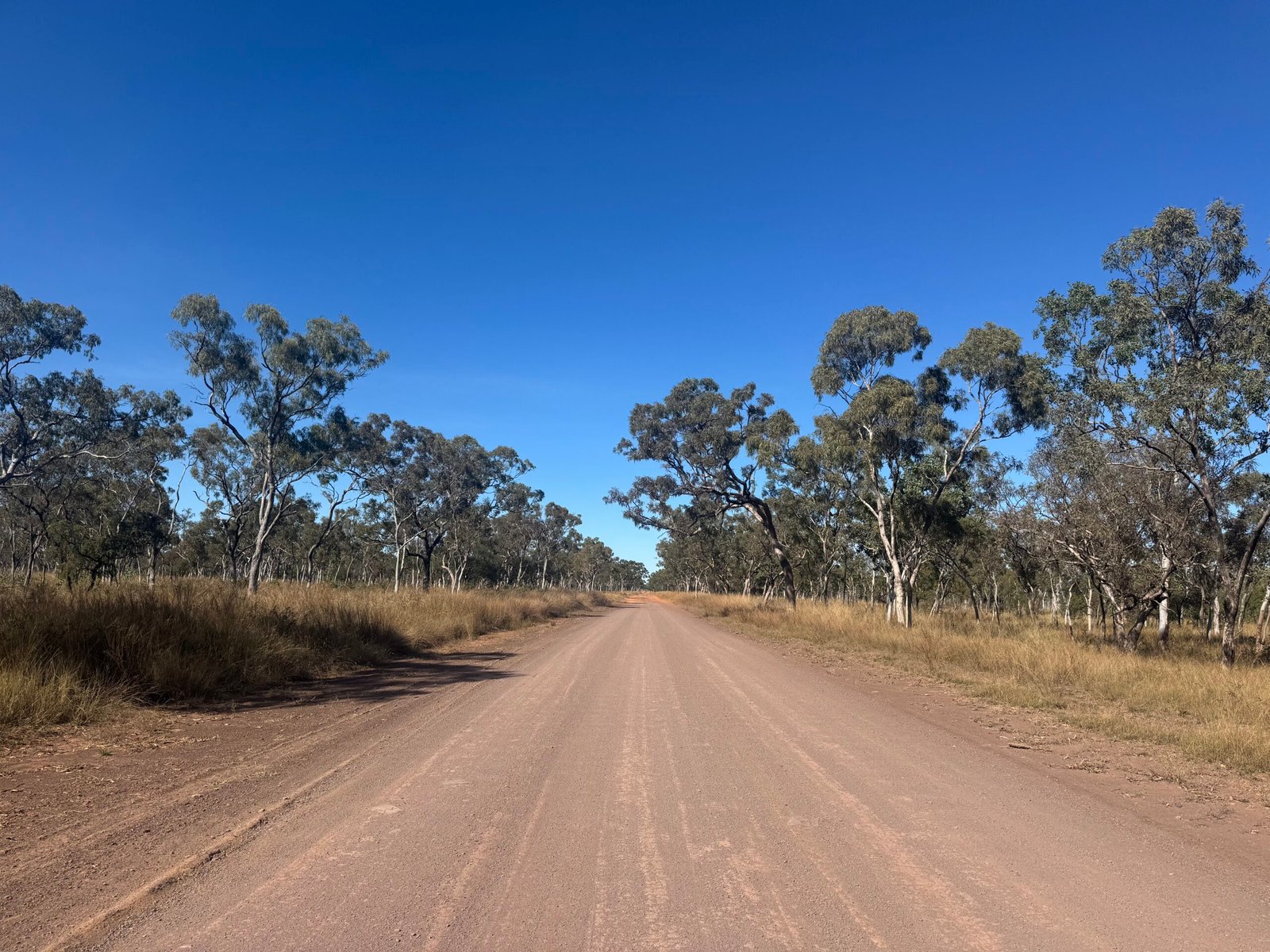
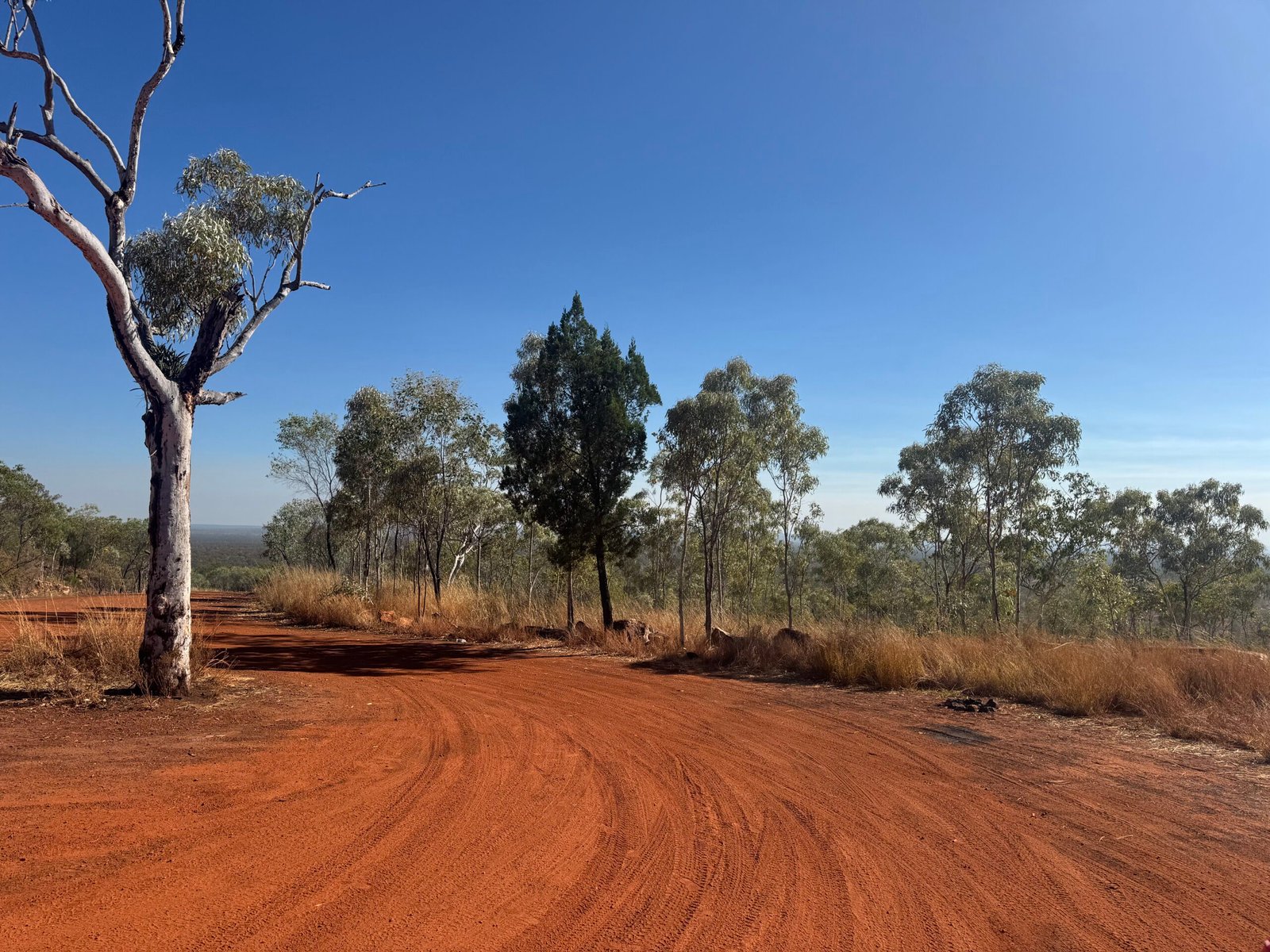
I was officially on the Gibb River Road. Tarmac gave way to red dirt, towering termite mounds, and a wavering heat that made the horizon blur. No turning back now; just me, the Hilux, and hundreds of kilometres of dust ahead.
To the Coast At Last
After rolling into Ellenbrae Station late the night before, and spending an embarrassingly long time trying to silence a faulty carbon monoxide alarm in my camper, I set off early the next morning, groggy but determined to cross the rest of the Gibb River Road and reach Broome that night. A big goal, I know.
Somewhere between the rattle of corrugations and the endless landscapes stretching ahead, I began to question whether this entire plan, the 5,000-kilometre drive, the rushed timeline, the Rottnest half-marathon, might have been a little ambitious. The kilometres were ticked by painfully slowly, the Hilux shuddering violently over every groove in the road, and my playlist (the same one I’d had on repeat for days) was starting to feel a little like a form of self-torture.
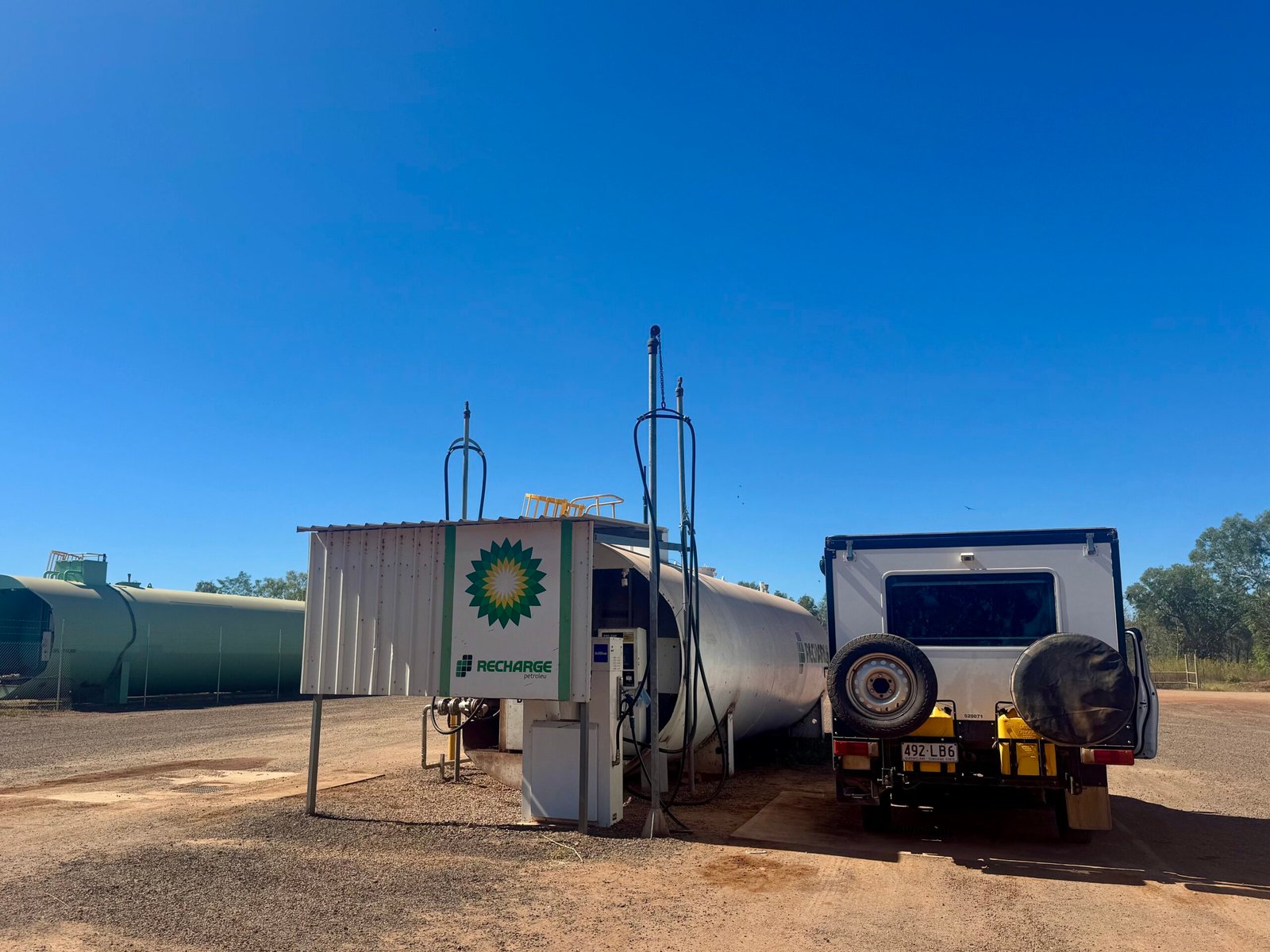
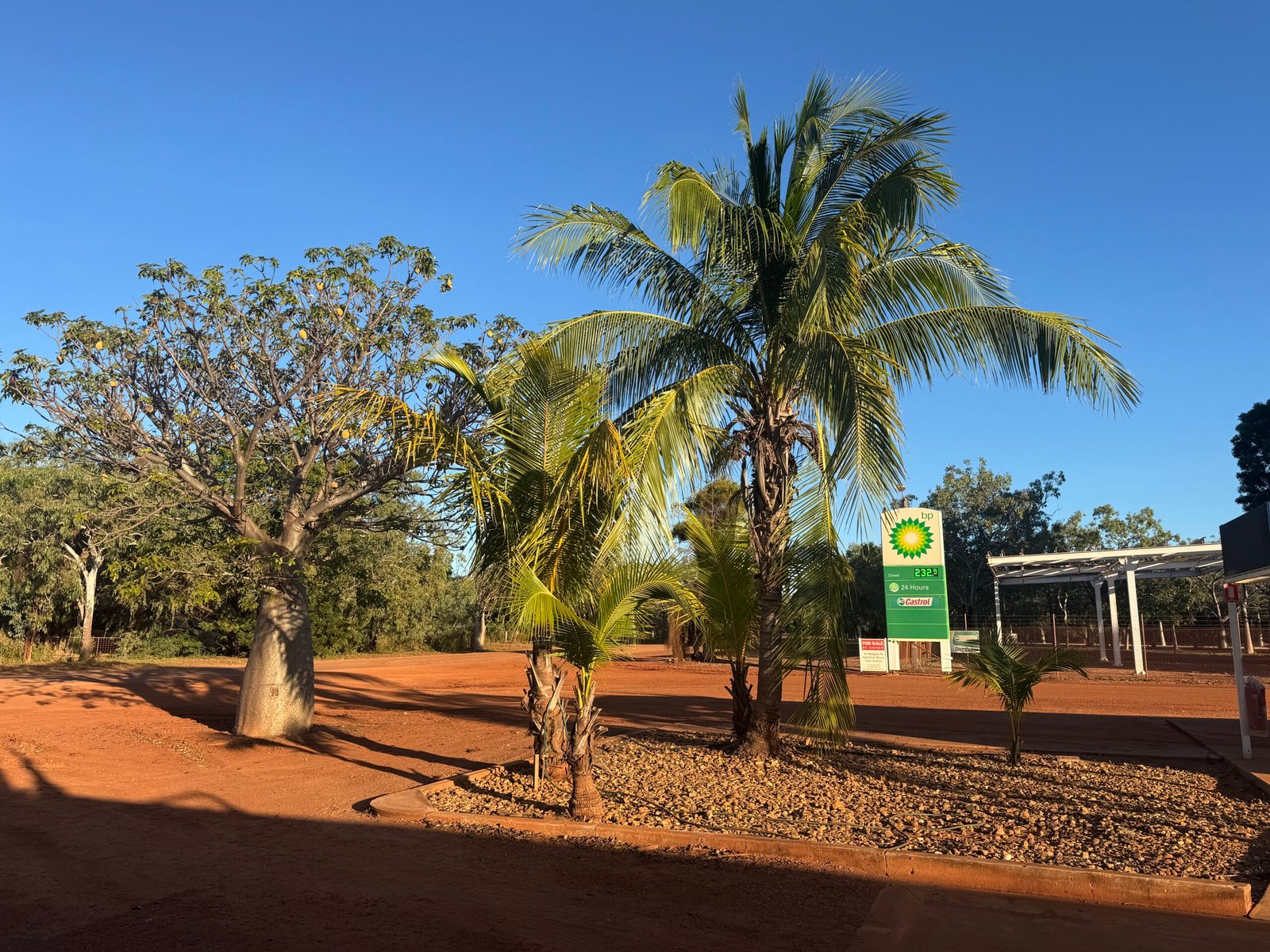
Turns out all I really needed was some coffee and food. My first stop was Mount Barnett Roadhouse, a tiny station plastered with faded posters of strangely specific rules (very Australian). I even got told off for driving too fast in the car park (also very Australian), but at least the coffee and the full fuel tank hit the spot.
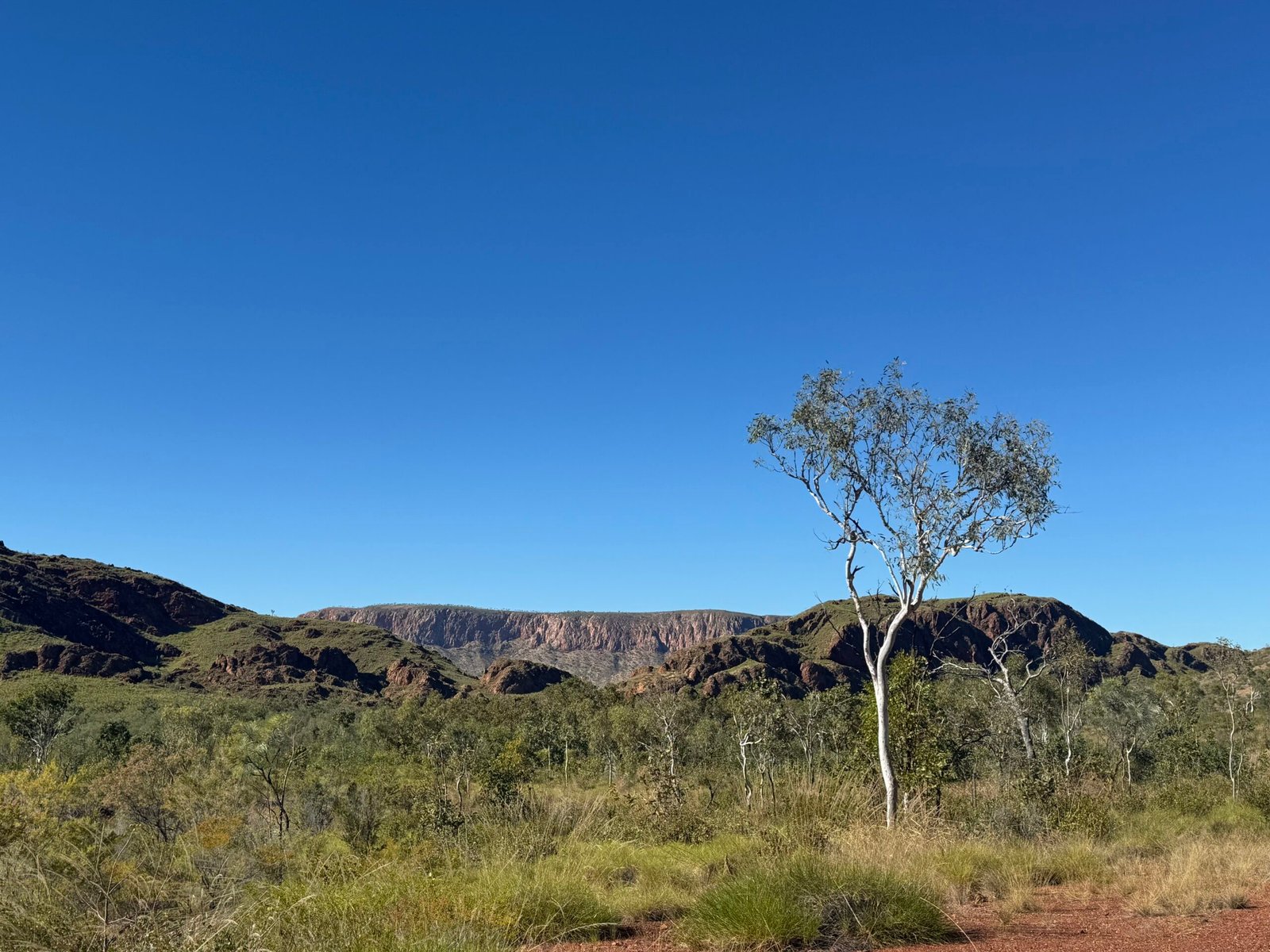
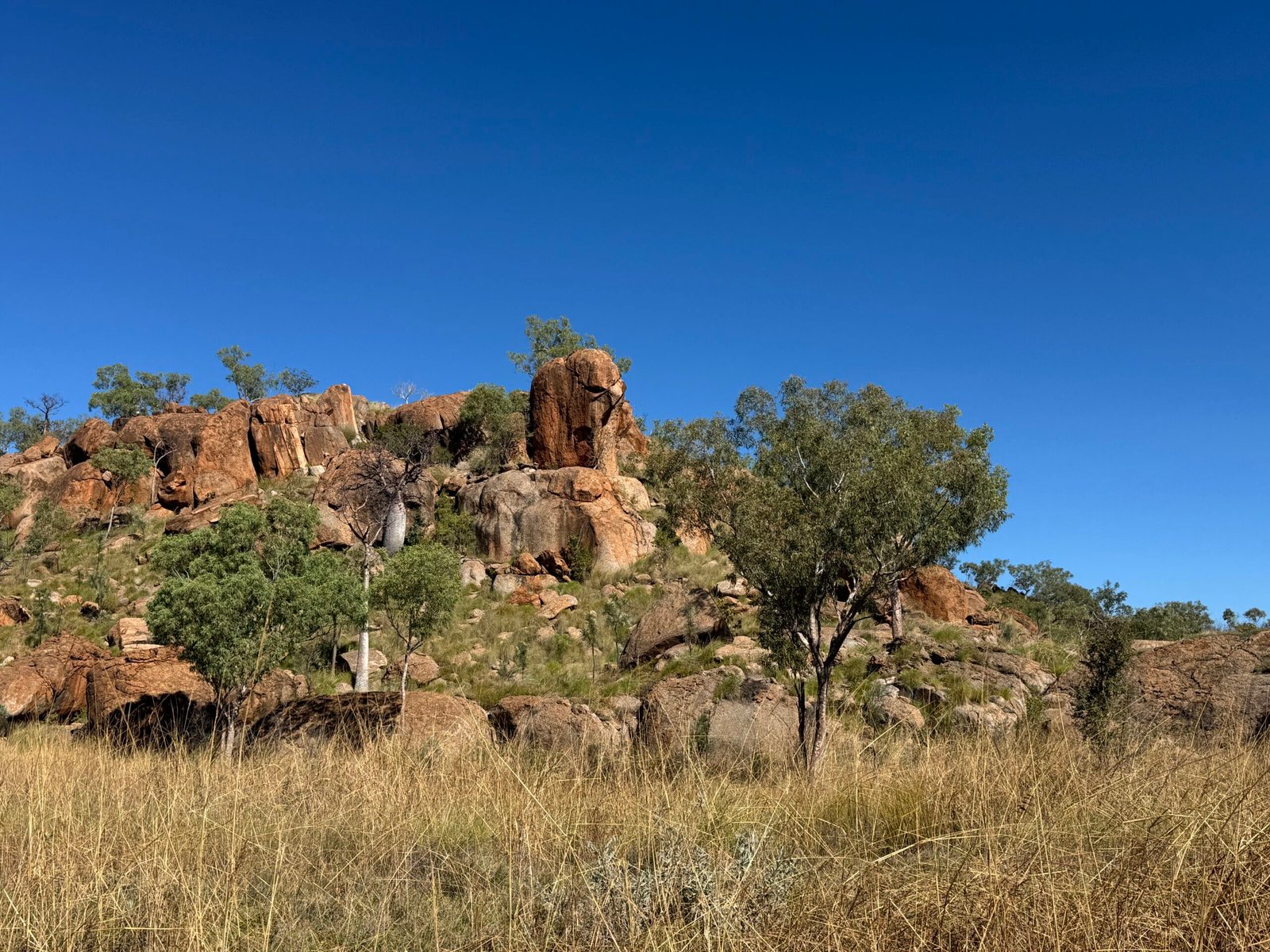
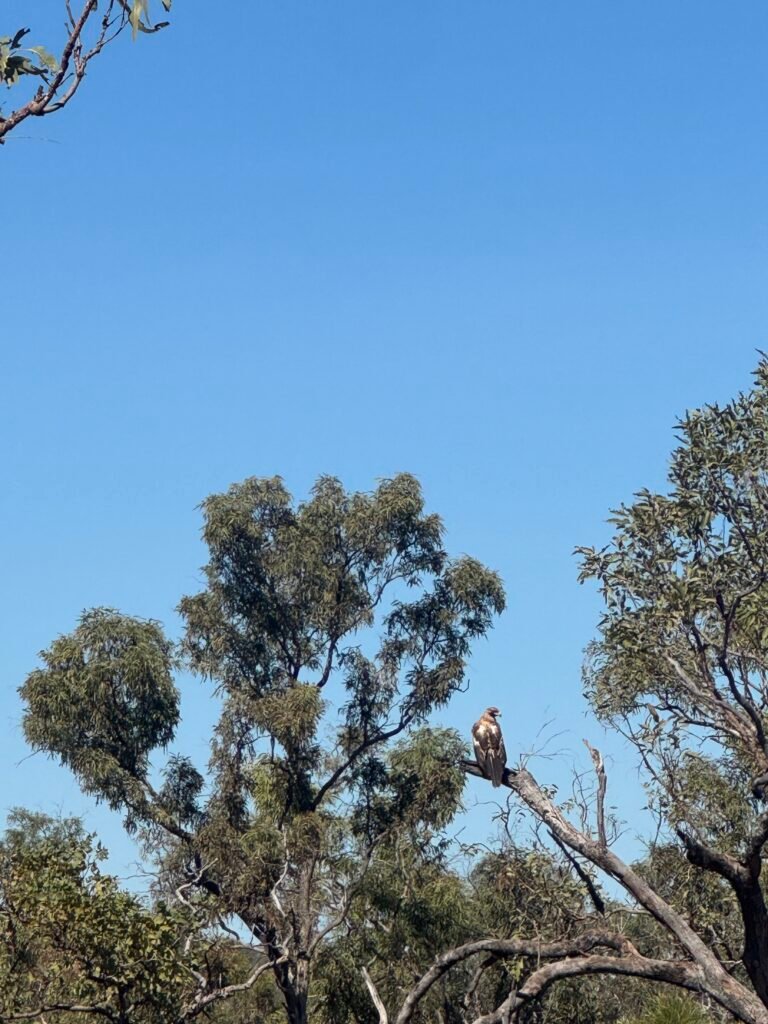
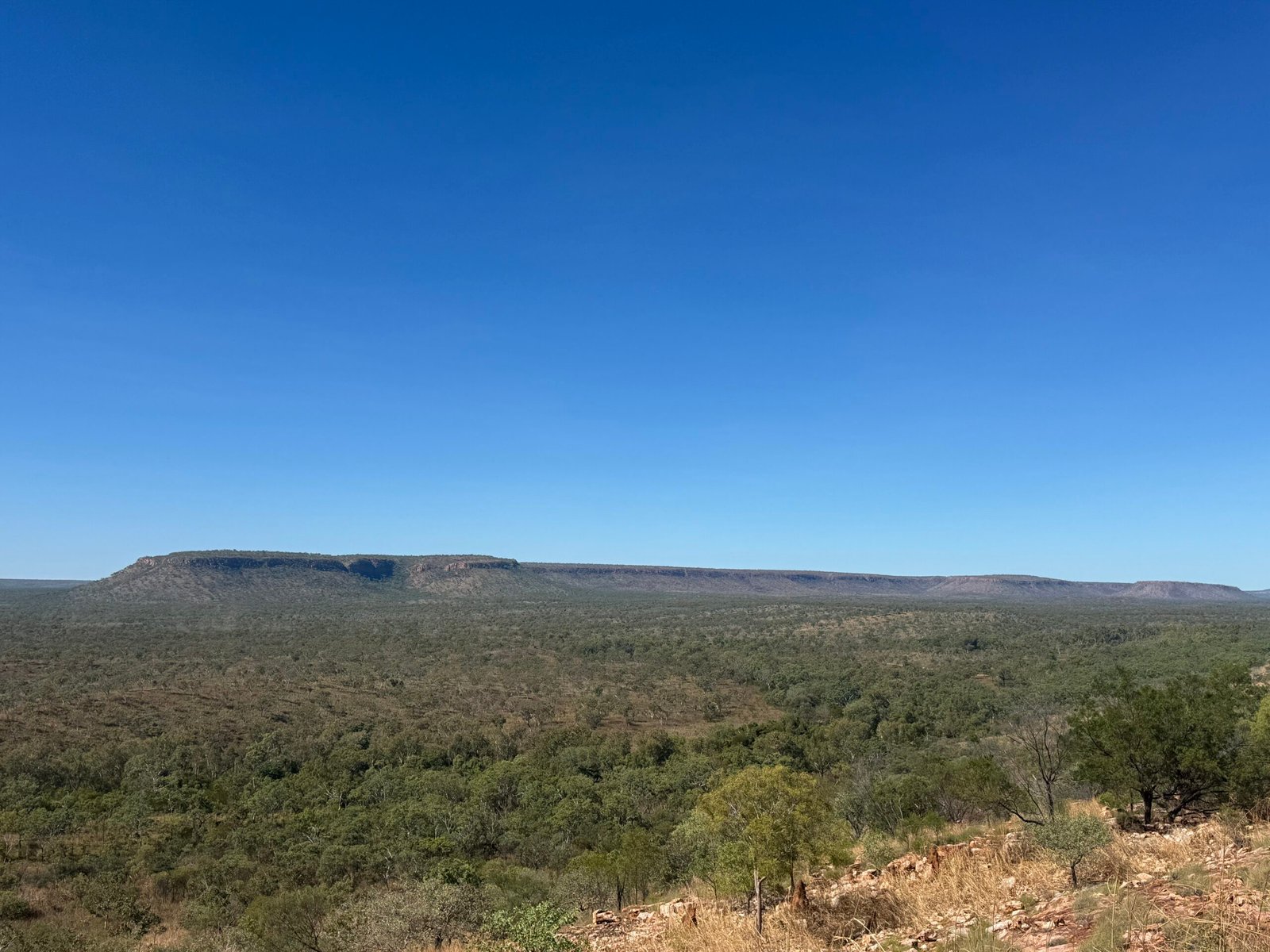
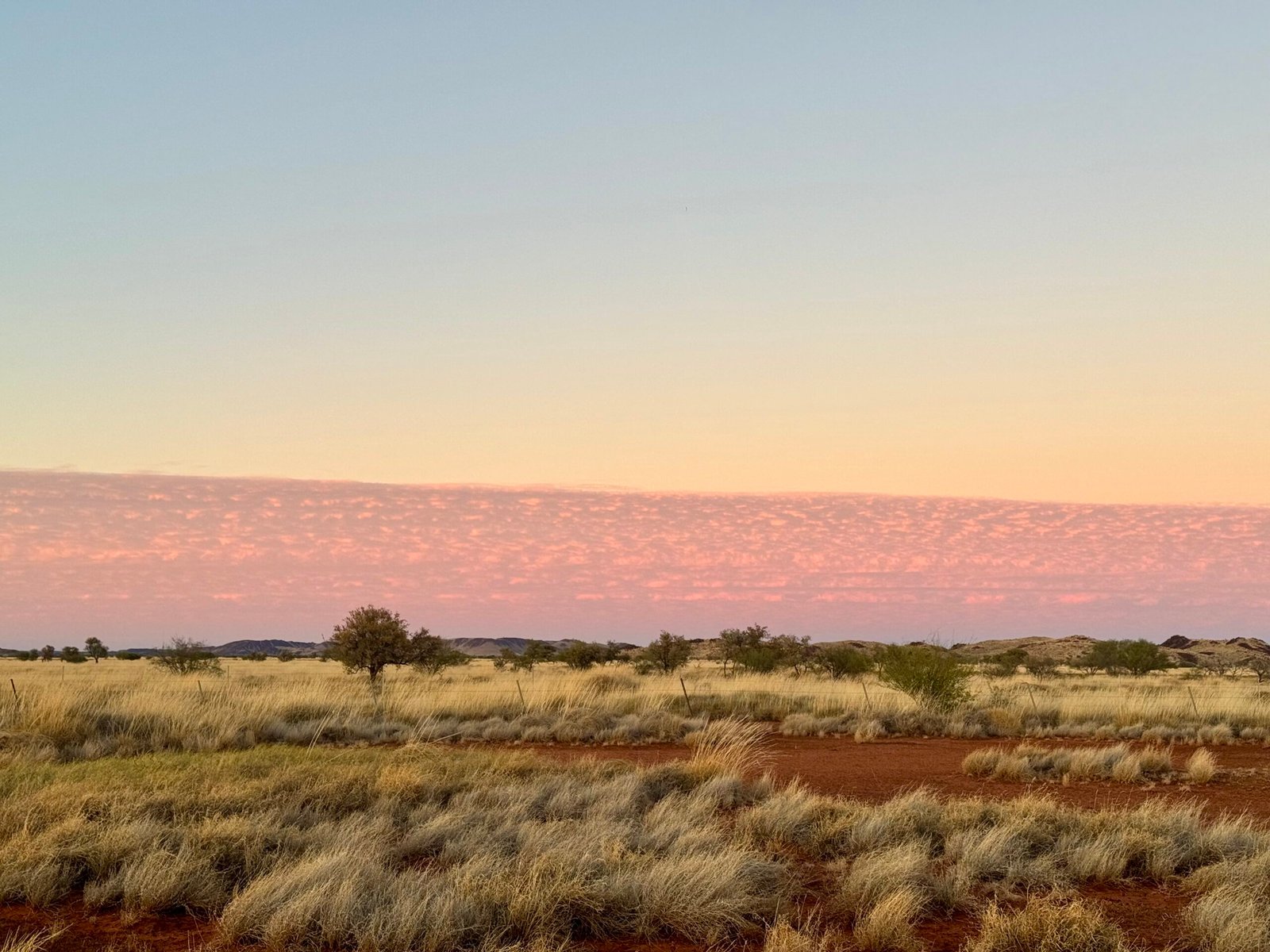
Back on the road, I started to find my rhythm again. Most people take days, even weeks, to drive the Gibb, stopping at waterfalls and gorges along the way, and you absolutely should if you have the time. But there was something quietly beautiful about doing it like this, in one long, uninterrupted push. Watching the country change hour by hour felt almost meditative: red cliffs softening into spinifex plains, termite mounds shifting from ochre to grey, the occasional dingo crossing the track, and hawks circling overhead.
There were long stretches where I didn’t see another car. Just dust, sky, and the hum of the engine. That’s what I’ll always remember; the vastness of it, the kind that makes everything feel so small, far away, and unimportant.
By sunset, I had somehow managed to reach the end of the Gibb River Road, headlights cutting through the dark as I drove the last stretch towards Broome. When I finally parked up by the coast, red mud splattered up the sides of the Hilux after the last muddy, bumpy road into camp, I felt exhausted, dusty, but completely fulfilled. It had all gone by too fast, but what a drive
A Quiet Morning in Broome
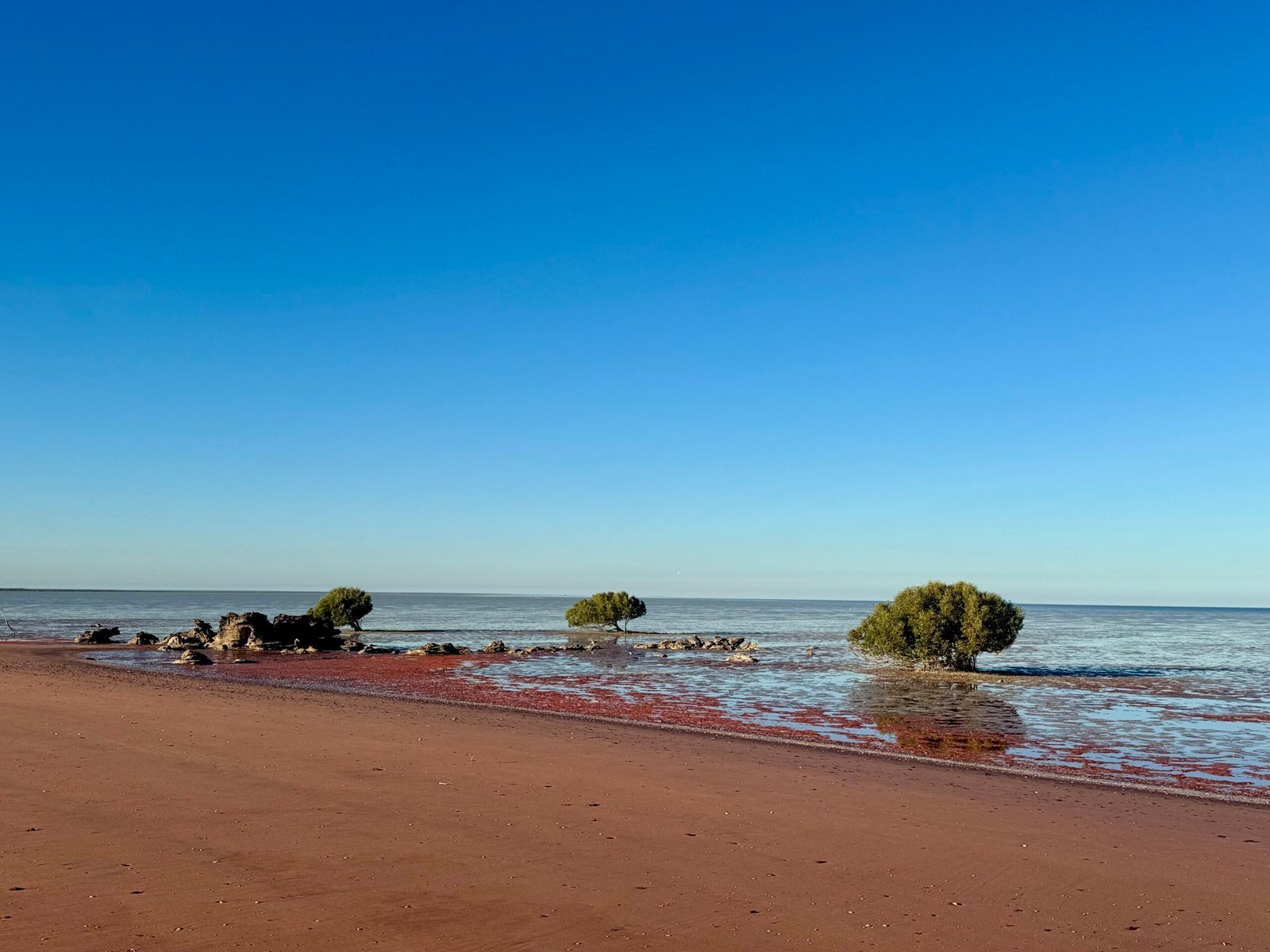
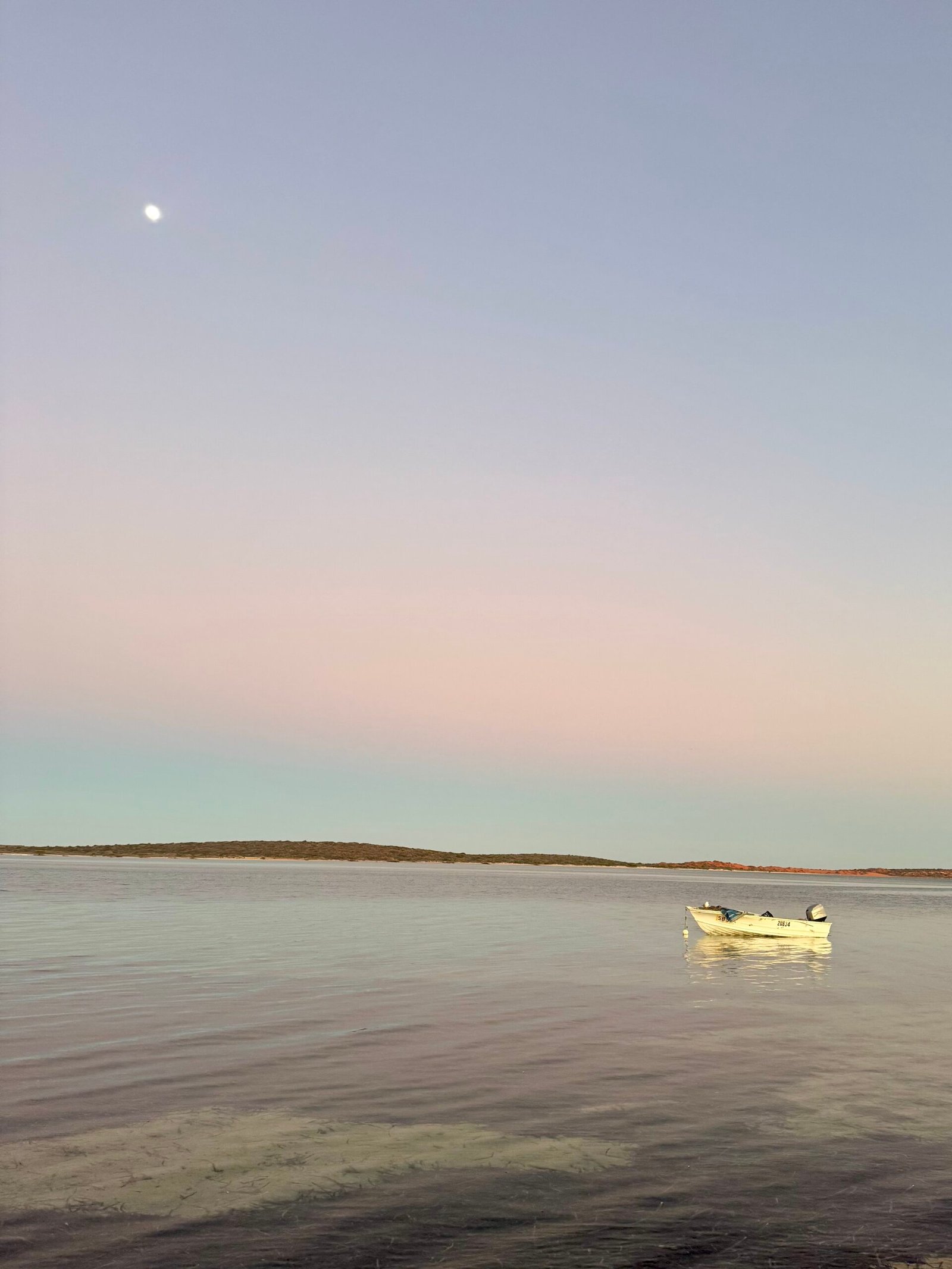
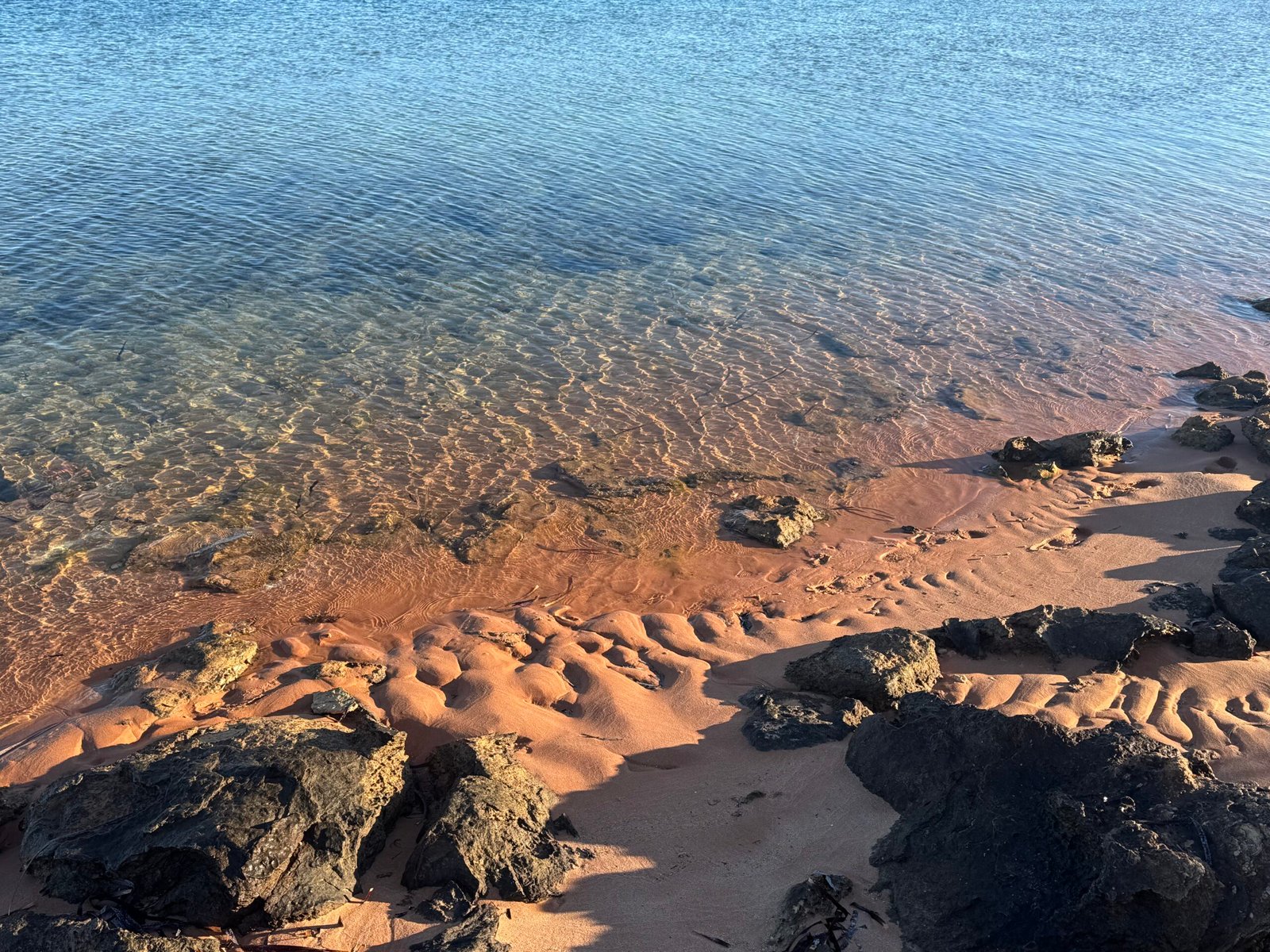
After pushing through so many kilometres the day before, I promised myself a slow morning in Broome. I woke up with the sunrise, still half in dream state, and after checking with one of the campsite rangers about the crocodile situation here (it’s always worth asking), I wandered down to the beach at Crabb Creek, along Roebuck Bay, close to where I’d camped at the Broome Bird Observatory.
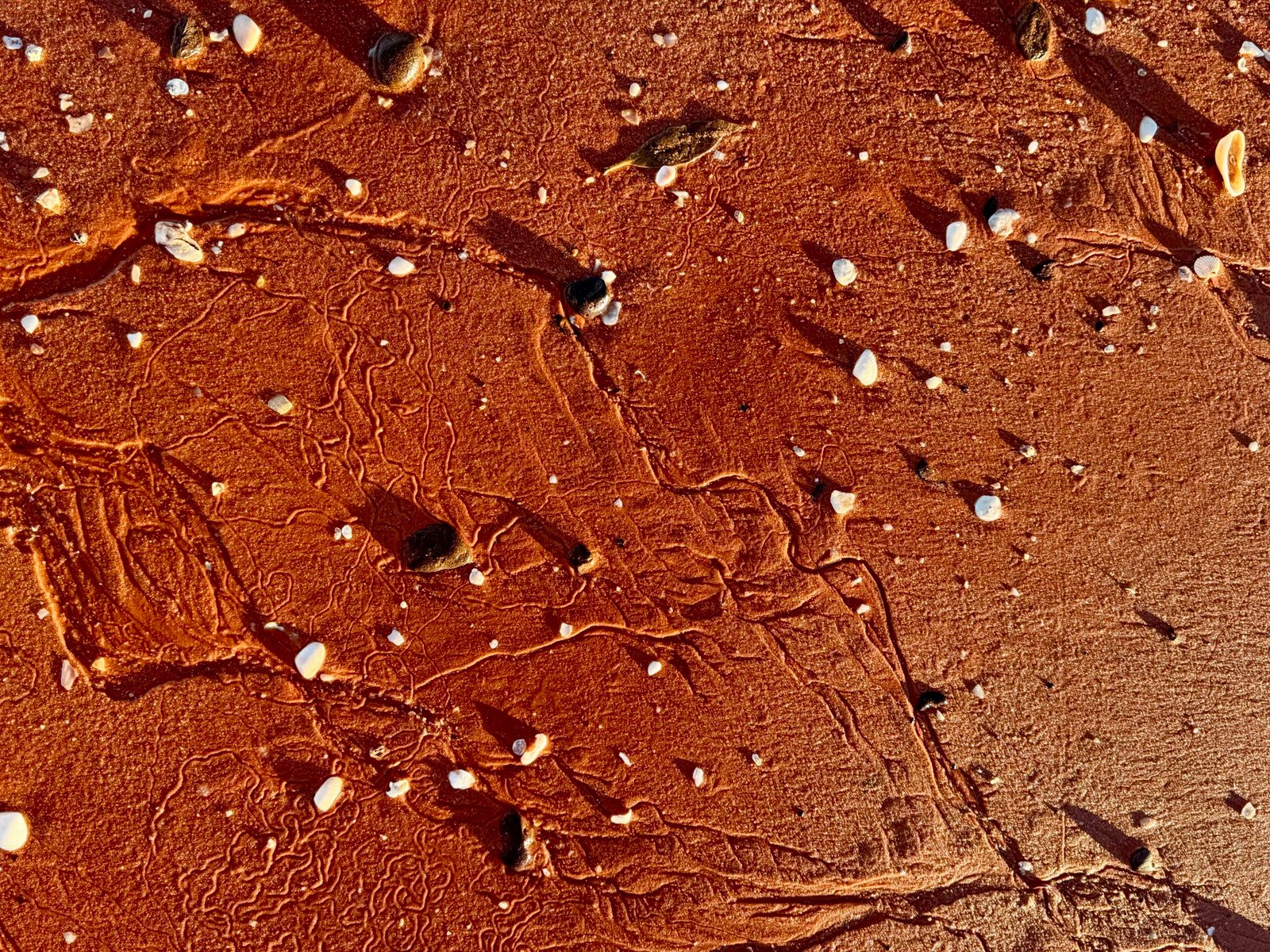
What I wasn’t prepared for was just how beautiful it would be. The sand here is a deep, rusty red, starkly contrasted against the clear turquoise water. Surreal, like something out of a painting. The tide was low, revealing intricate ripples in the sand, and the only sounds were of birdsong and the soft hum of insects waking with the day. I sat there for a long time, completely still, trying to soak in every detail. The steady warming of the air, the texture of the sand under my feet, the quiet rhythm of the tide. I can still picture it, hear it, and feel it today, one of the rare places that seem to still time. What a special place.
Eventually, I peeled myself away to go for a small run along Cable Beach before the heat would set in. As I drove through Broome, I realised how much smaller it was than I had expected; a sleepy coastal town, impossible not to love.
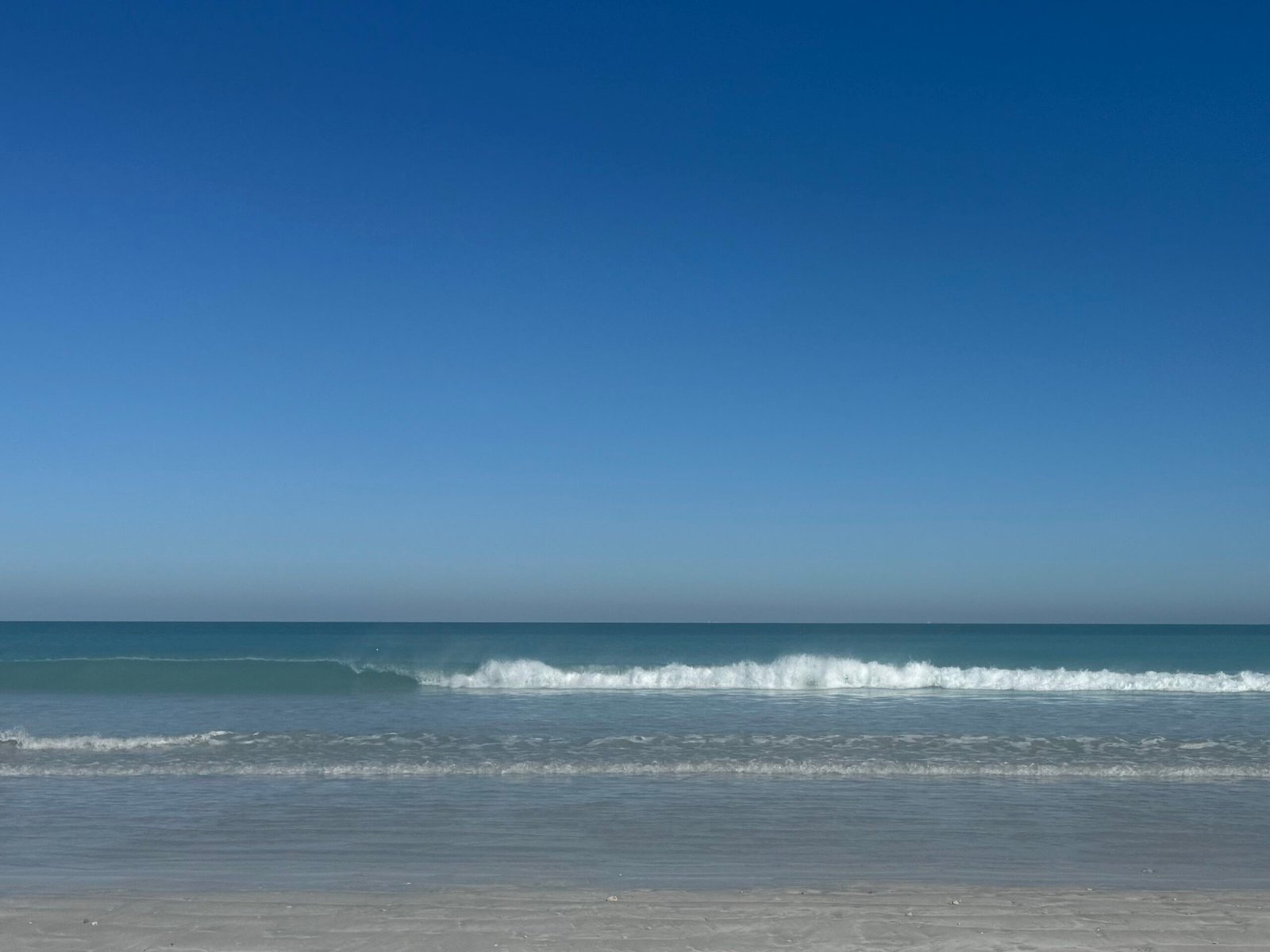
Cable Beach was the complete opposite of Roebuck Bay. Although just around the corner, the sand here is a clean white that glows against the bright blue water. I could’ve run here for hours. Like most Australian beaches, it just seems to stretch on forever. I even passed a group of camels strolling along the shore (not wild but still a fun sight).
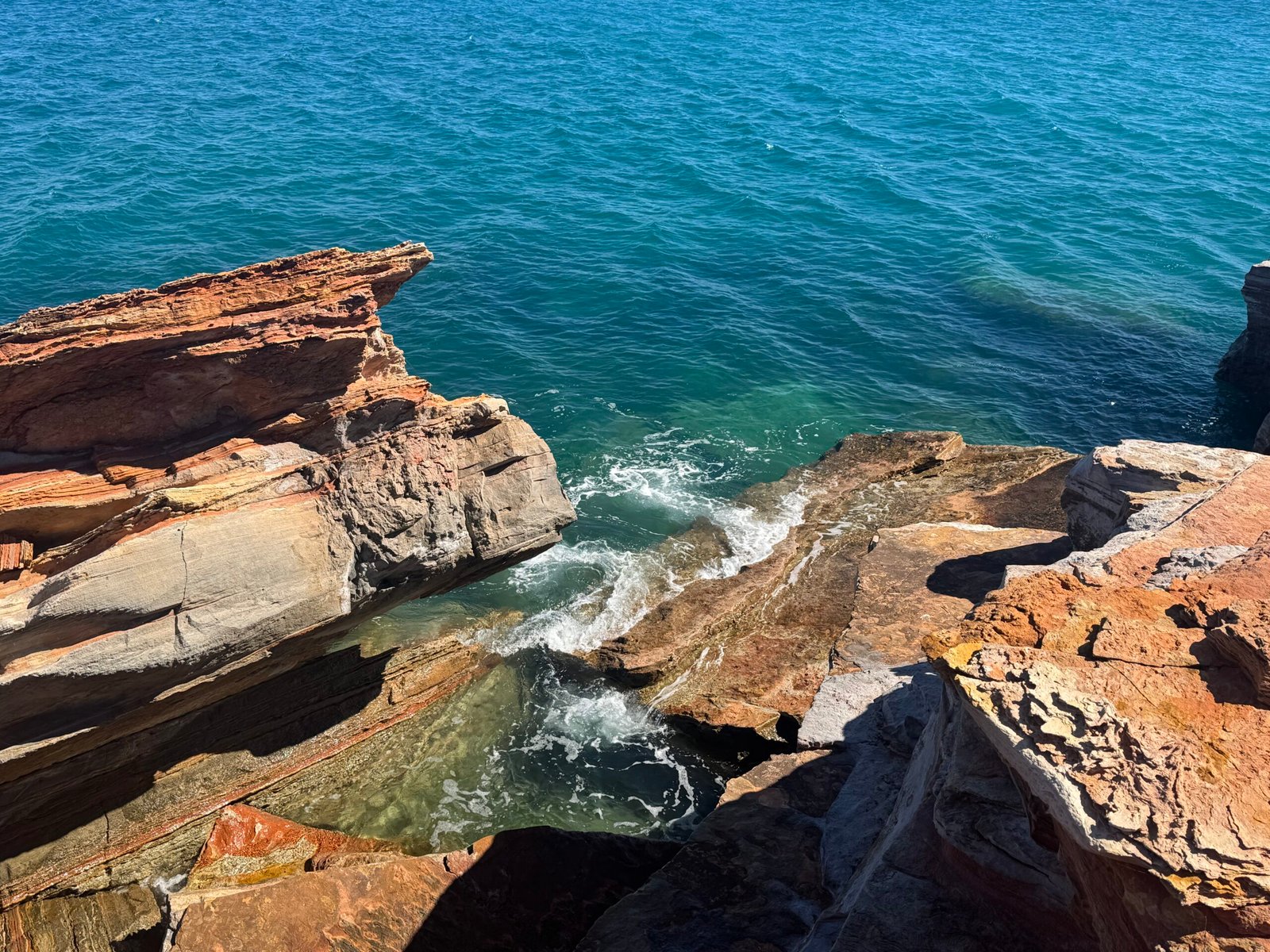
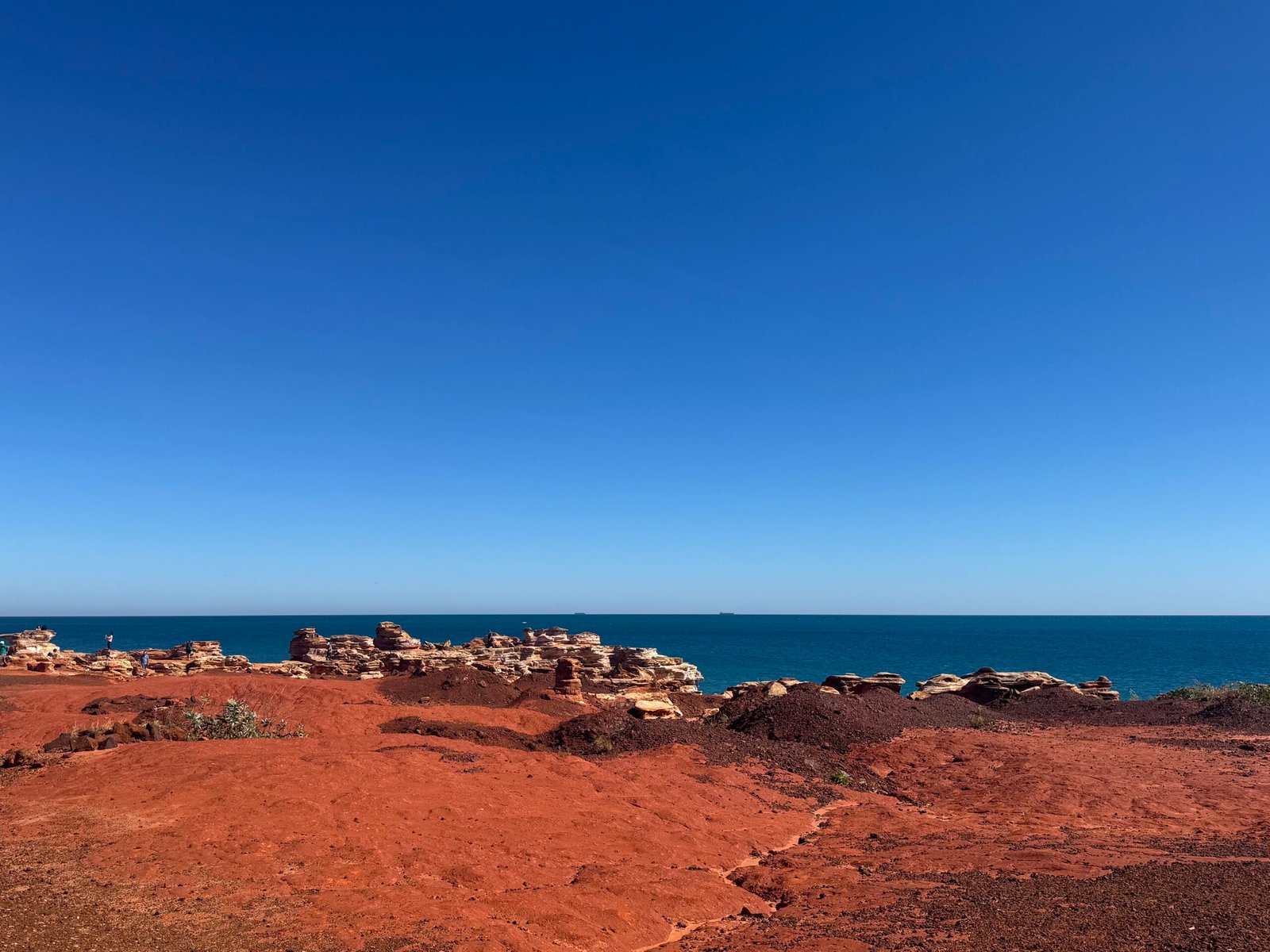
After my run, I waded into the sea for a quick dip, cautiously, given the whole crocodiles exist here situation. I then grabbed a coffee and drove to Gantheaume Point to check out the ocean views before returning to the Hilux. The next leg of the journey was calling, and Perth suddenly didn’t feel quite so impossibly far.
The Long Drive South
Leaving Broome, I found myself missing the rattle and rumble of the Gibb River Road. The smooth tarmac felt strange. Too easy, too quiet. But I was also buzzing with excitement for my next stop: Eighty Mile Beach, a place I’d dreamed of seeing. Just another casual 400-kilometre drive stood between me and it. It’s Australia, what can you expect?
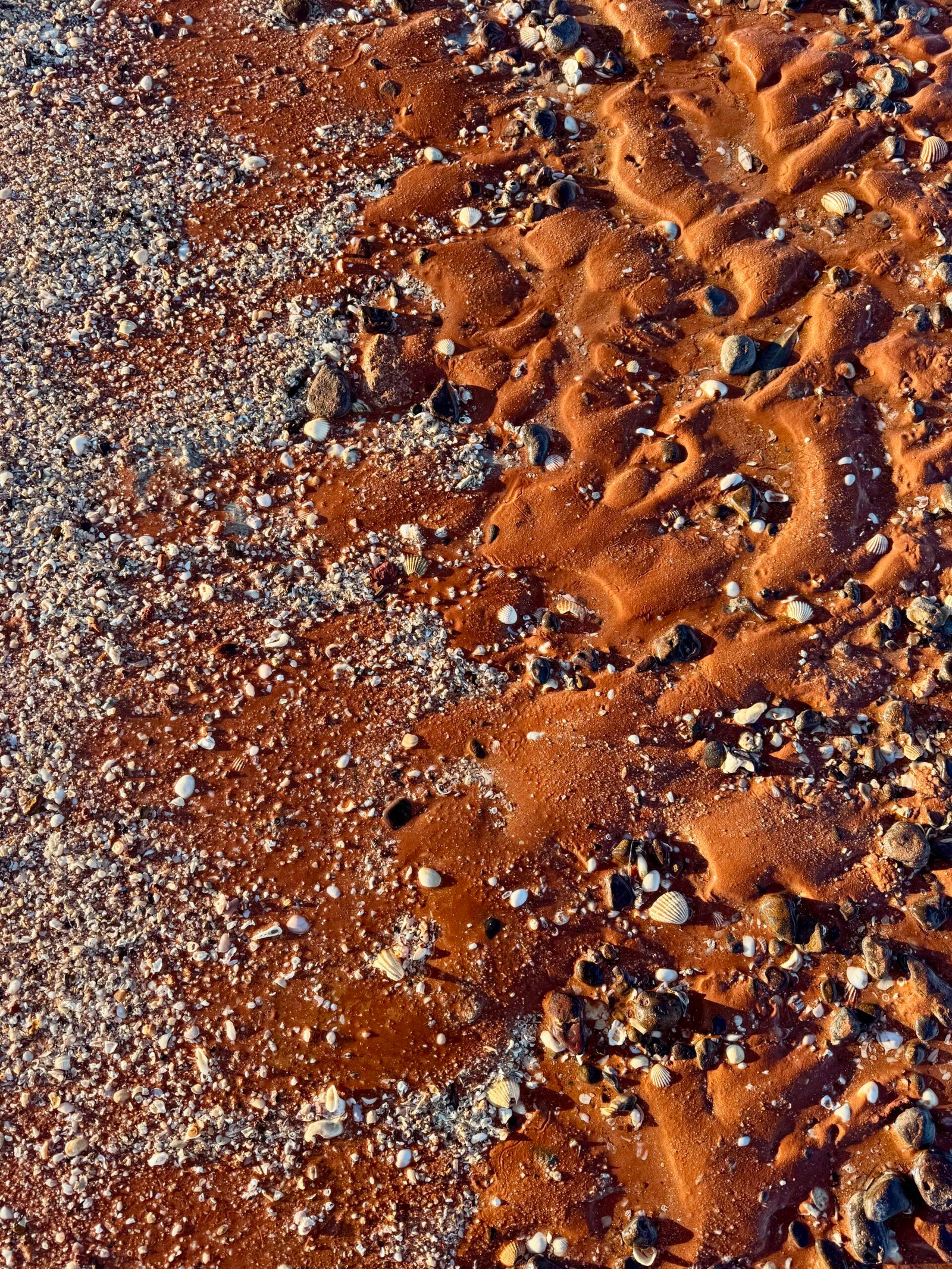
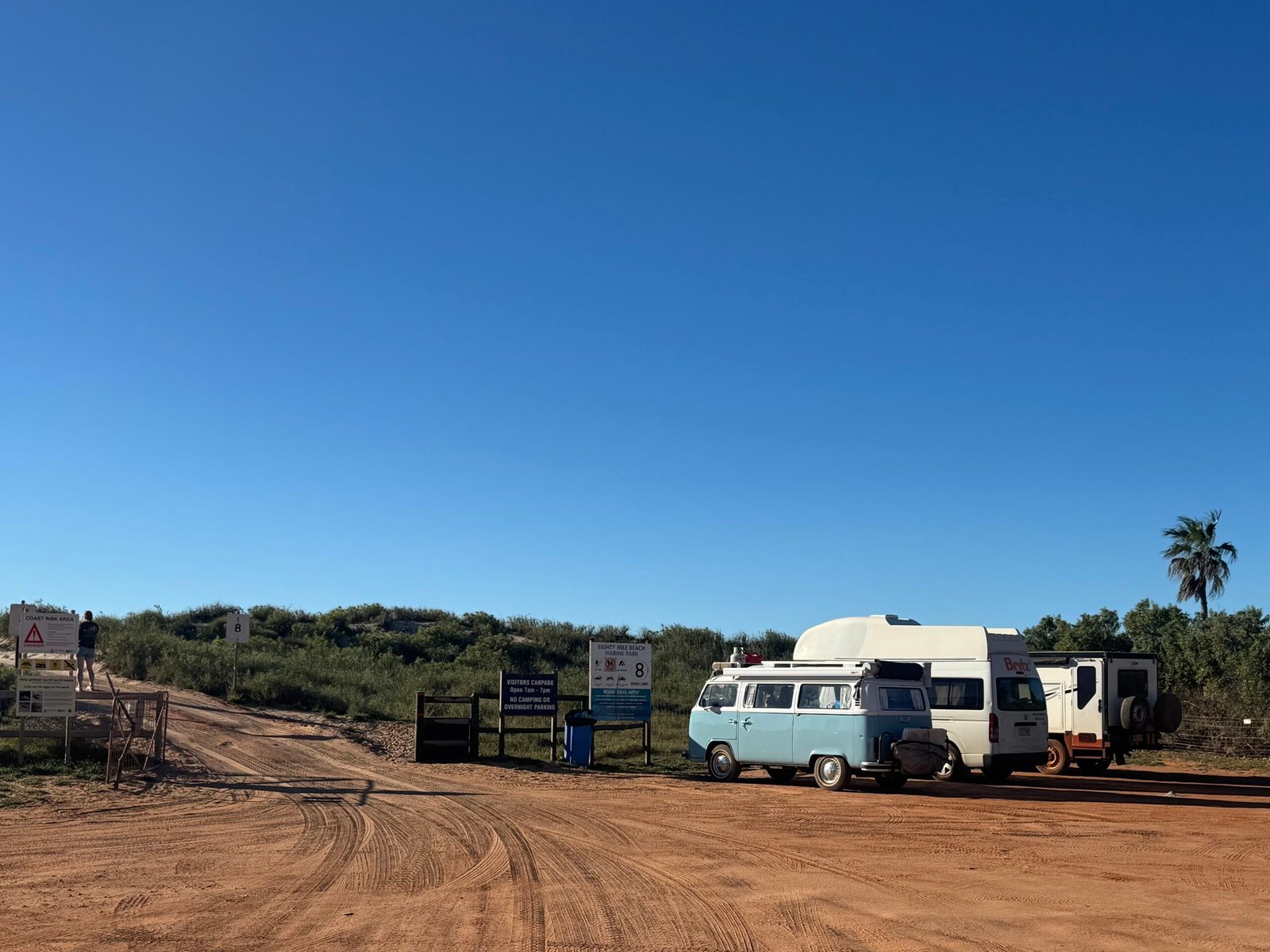
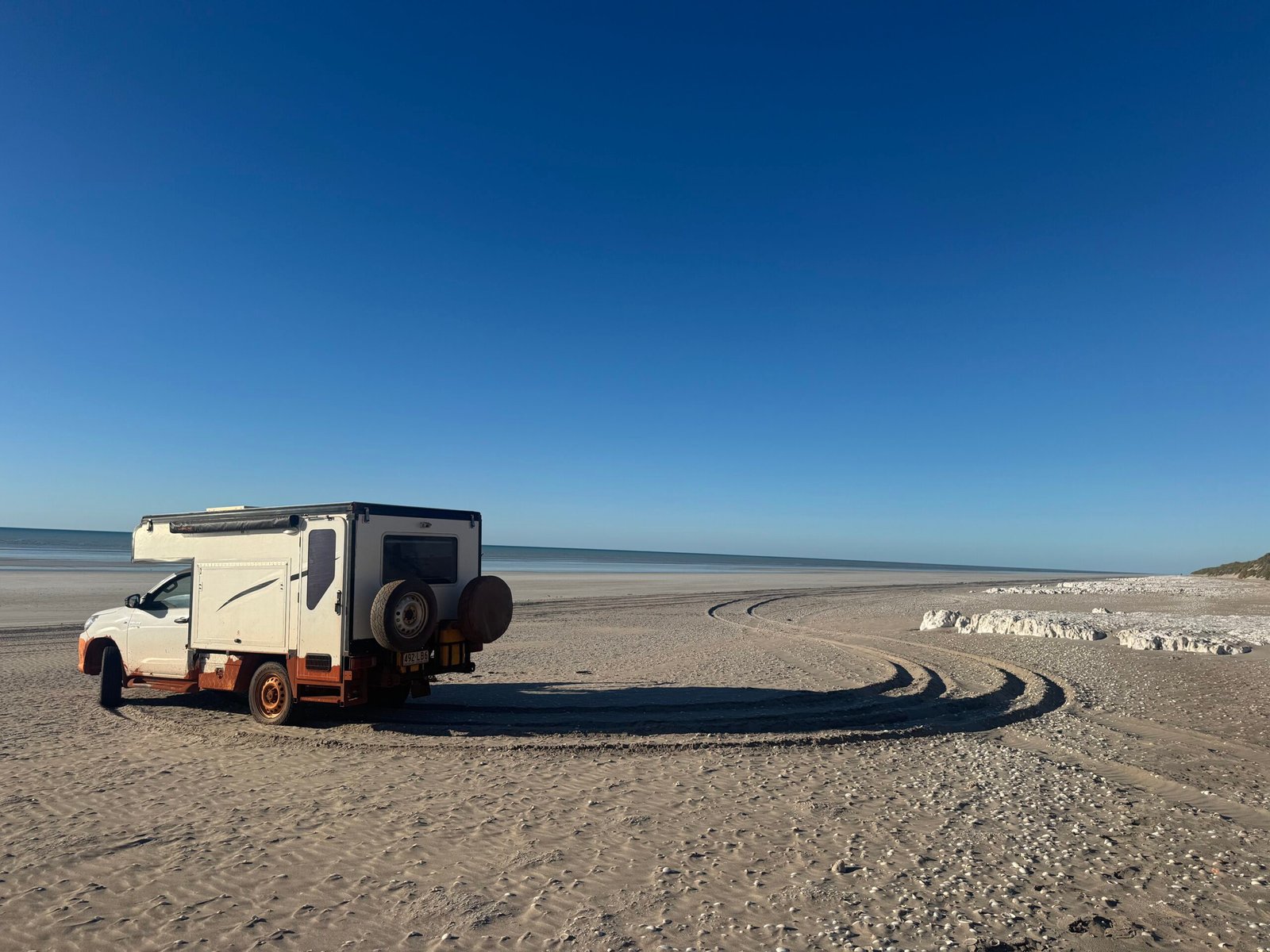
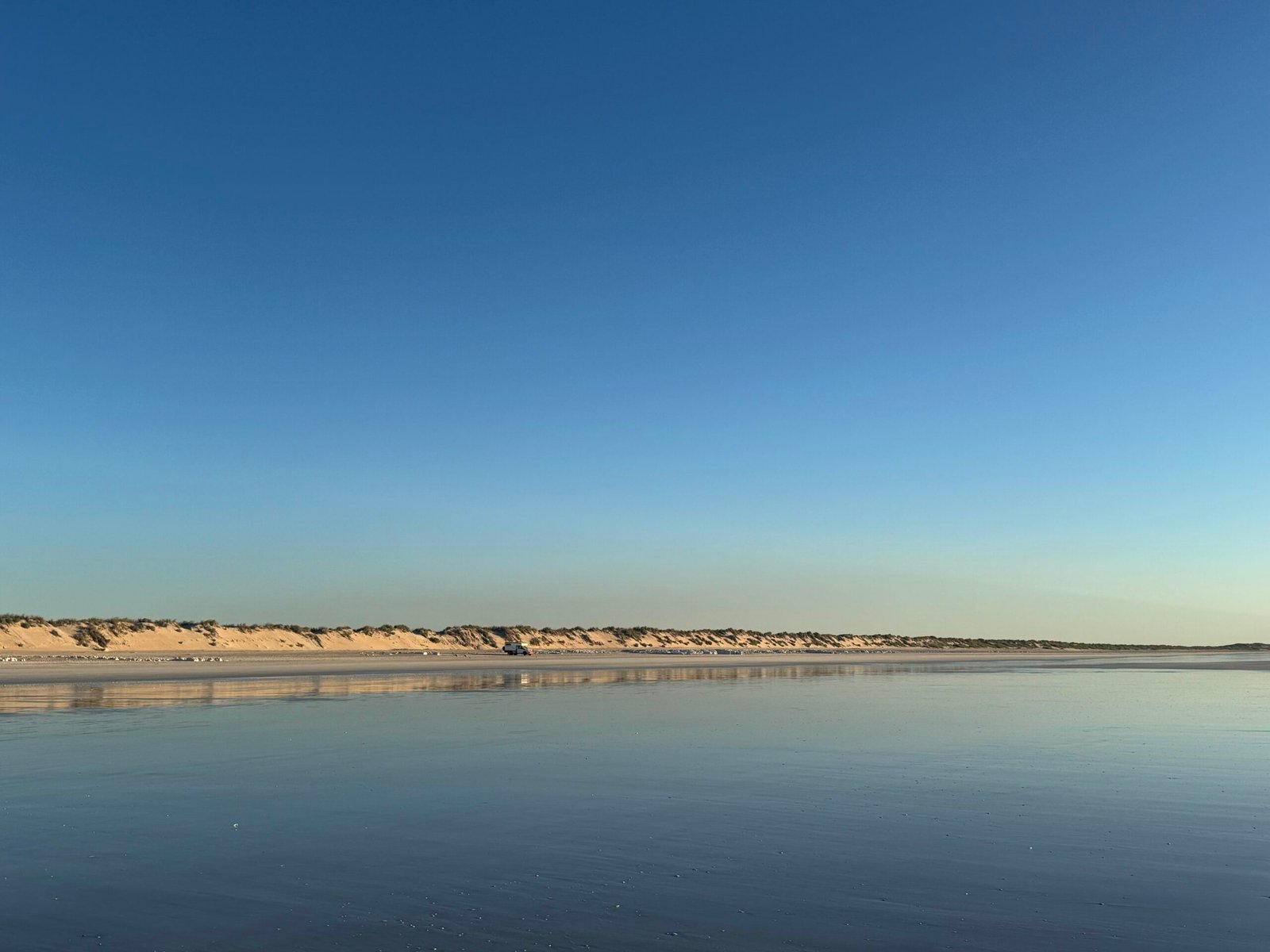
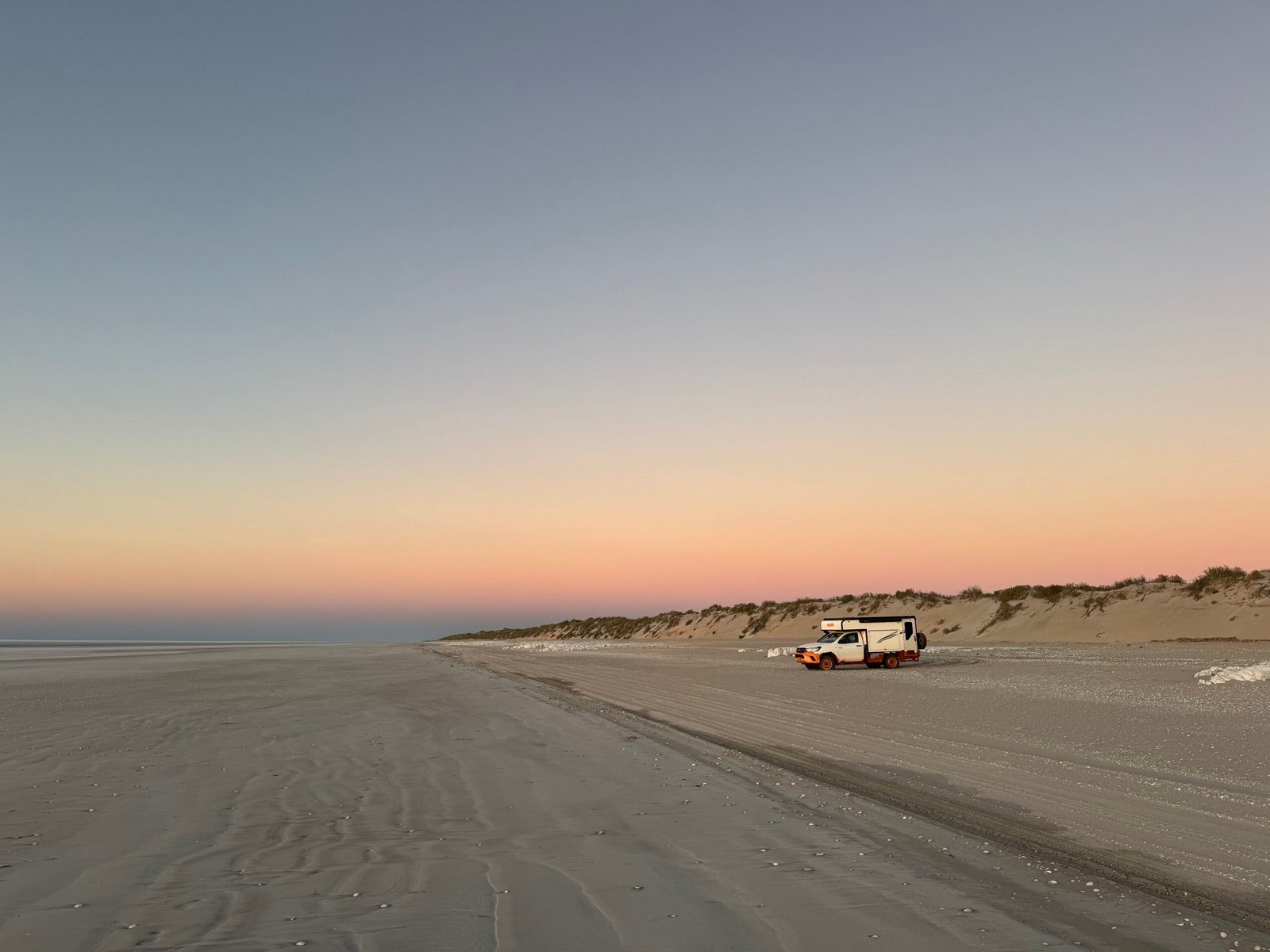
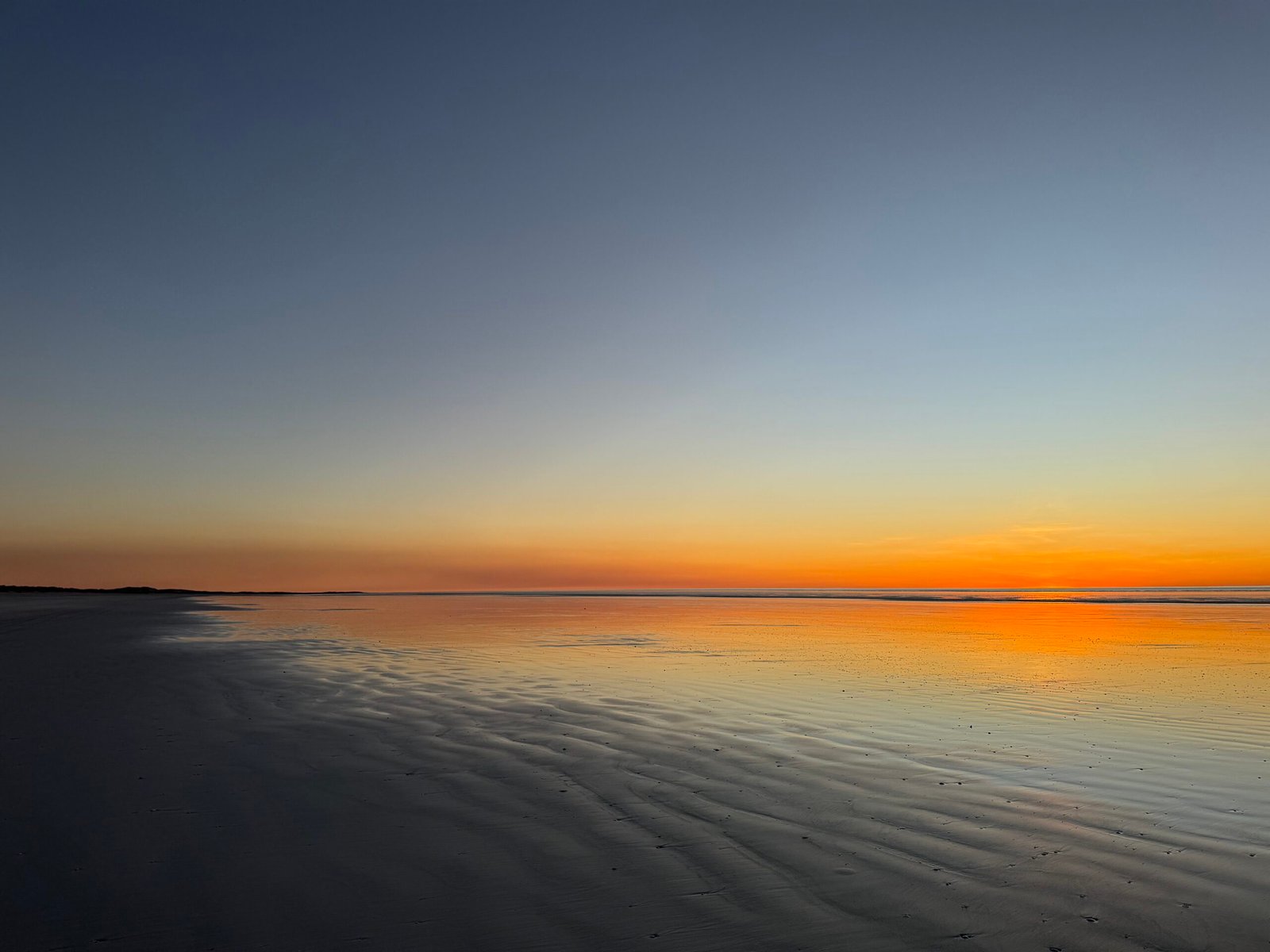
There’s really only one real access point, the Eighty Mile Beach Caravan Park, and by the time I had arrived, the sun was already beginning to dip. From the caravan park, you can drive straight onto the beach, and you have to if you come here. The sand and sea stretched infinitely in all directions, and the tide was so far drawn back that the exposed sand shimmered like glass, patterned with faint ridges and tiny pools that mirrored the sky.
I parked up and wandered for hours, watching the colours in the sky shift from gold to rose to deep purple, as the sun went down. The isolation of this place is almost hypnotic, the kind that makes you feel impossibly small and unimportant, but in a peaceful way, not a lonely one.
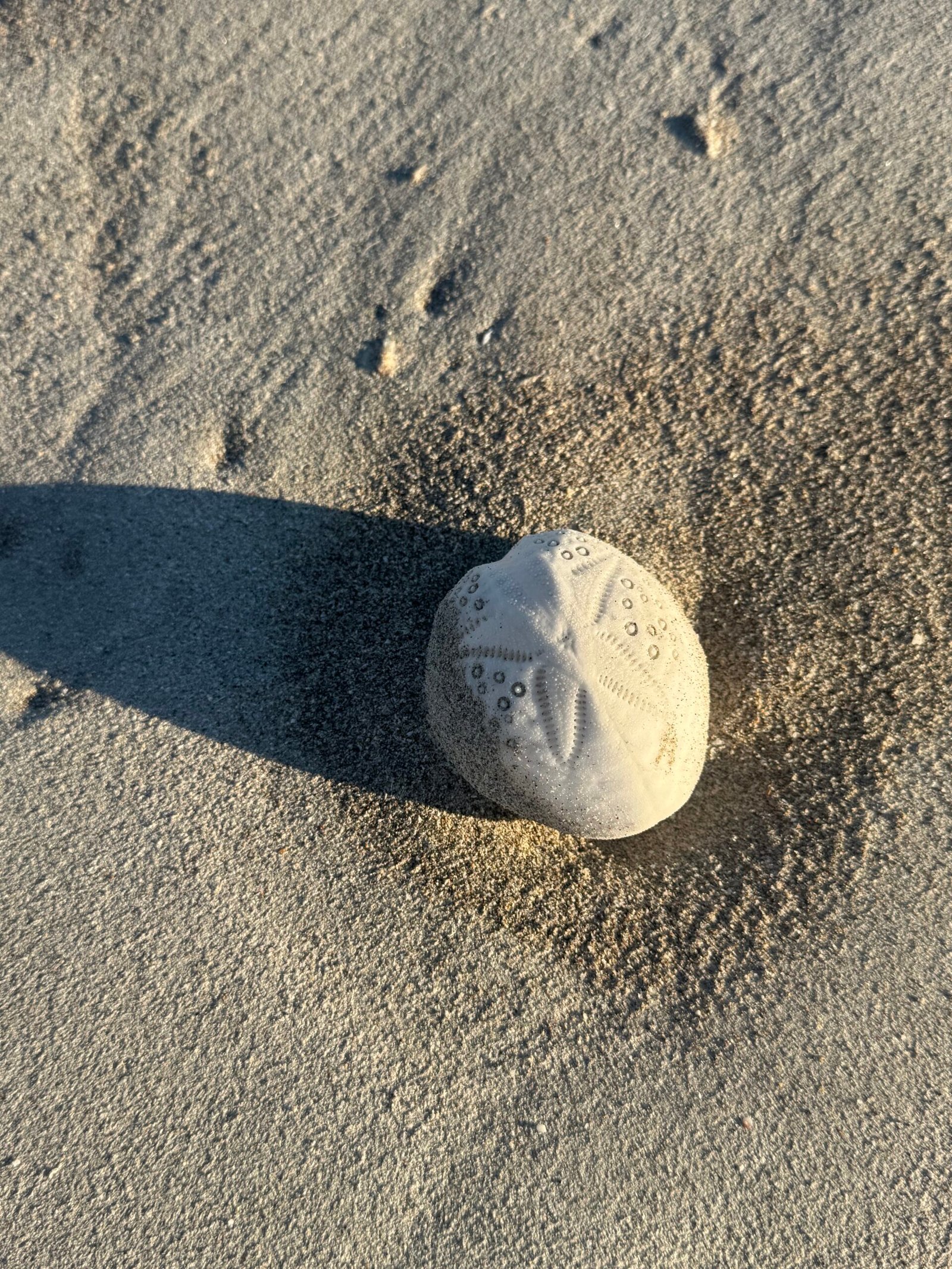
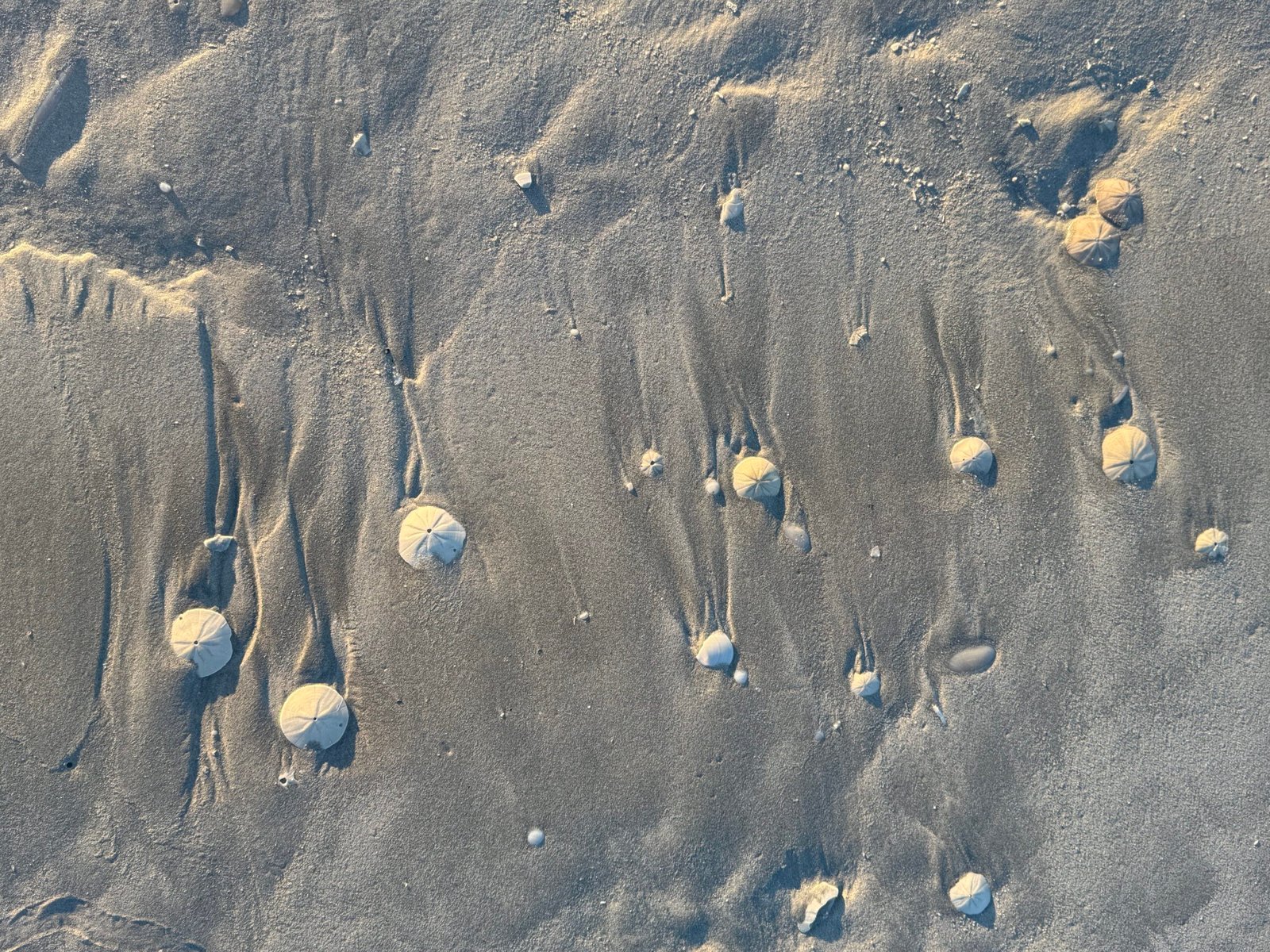
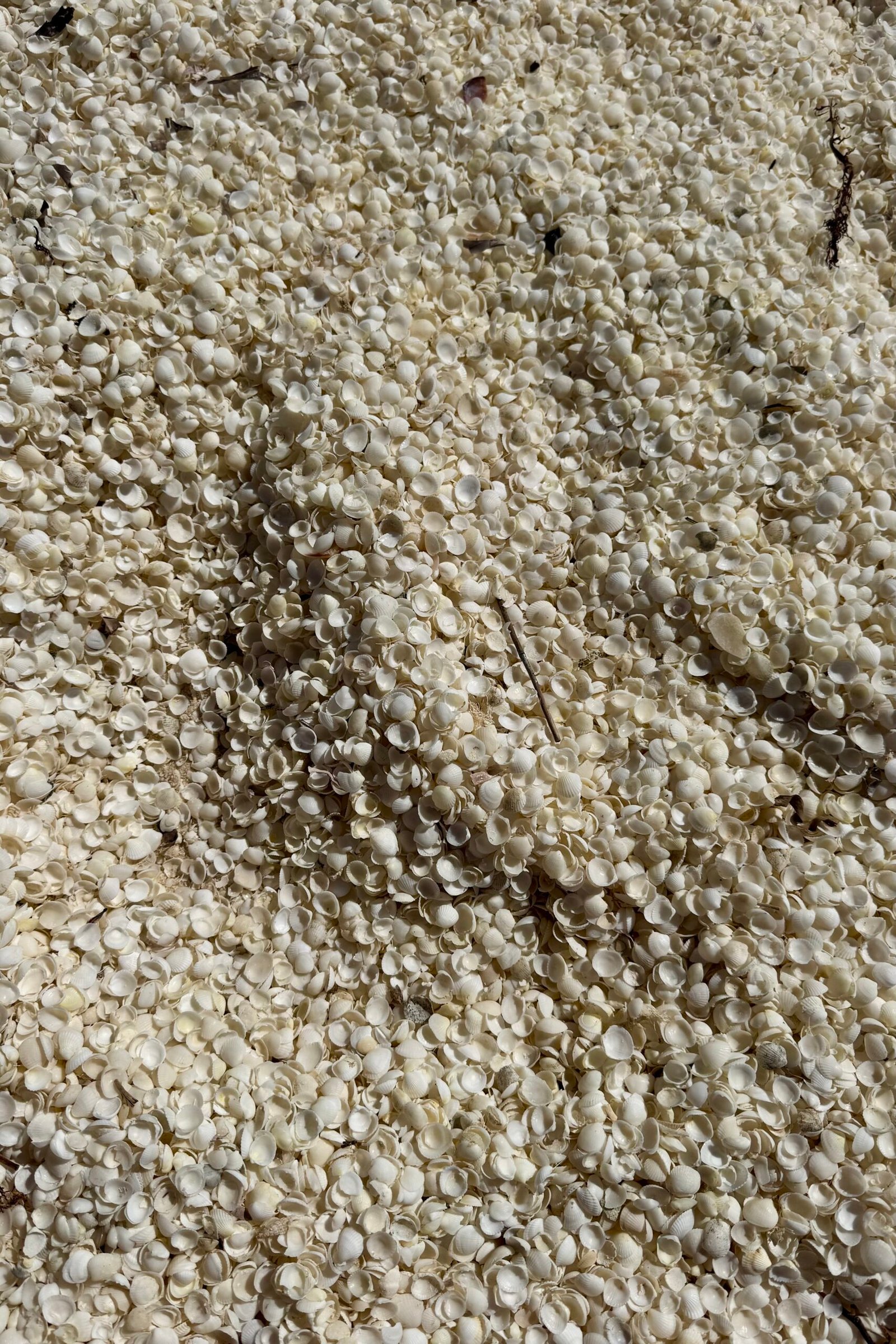
The shells here are something else, too. Thousands of them scattered the floor, bone-white and delicate, crunching softly underfoot. I found tiny crabs darting across the sand, fragile cake urchin shells unlike anything I’d seen before, and even a small shark washed up along the tide line. Stark reminders of how alive and how wild this coastline is.
I lingered for as long as I could, reluctant to leave, and driving slowly back across the sand as the last of the light slipped behind the ocean. I finally set off into the night, eager to push on for another few hours. I had to camp around Port Hedland, but something about the place didn’t feel right once I had reached it, and that subtle intuition you learn to trust as a solo female traveller was hard to ignore. So I kept driving, back into the darkness of the outback. With no service and my WikiCamps app refusing to load, I was lucky to eventually find a small roadside rest stop where a few other vans were parked up. It wasn’t glamorous, but it felt safe, and that was all I needed.
One Year Later, the Same Coastline
The next morning felt special before it had even begun. I was heading to Shark Bay, a place that had been on my bucket list since before I even set foot in Australia.
A year earlier, on my flight from London to Sydney, a ball of nerves before starting my working holiday, I’d woken up in the middle of the night to see that we were just about to begin flying over Australia. Everyone else was asleep, the cabin dark, and when I cracked my window just slightly, the sunlight seemed to spill in like a spotlight. I felt bad and tried my best to be discreet, but selfishly, this was something I just had to see.
I remember staring down at the map on the screen as the little plane icon shuffled closer and closer to the coast. Pressing my forehead to the window, I began to see it getting closer: scenes of red desert bleeding into swirls of turquoise and white, small fluffy clouds dotting the sky. It looked otherworldly. I immediately knew then, without question, that coming here was the right decision.
And now, exactly one year later to the day, something I had only realised that morning whilst driving, I was heading towards that exact spot. The thought made me unexpectedly emotional. To go from staring at it from a plane window to standing there in real life felt quietly significant.
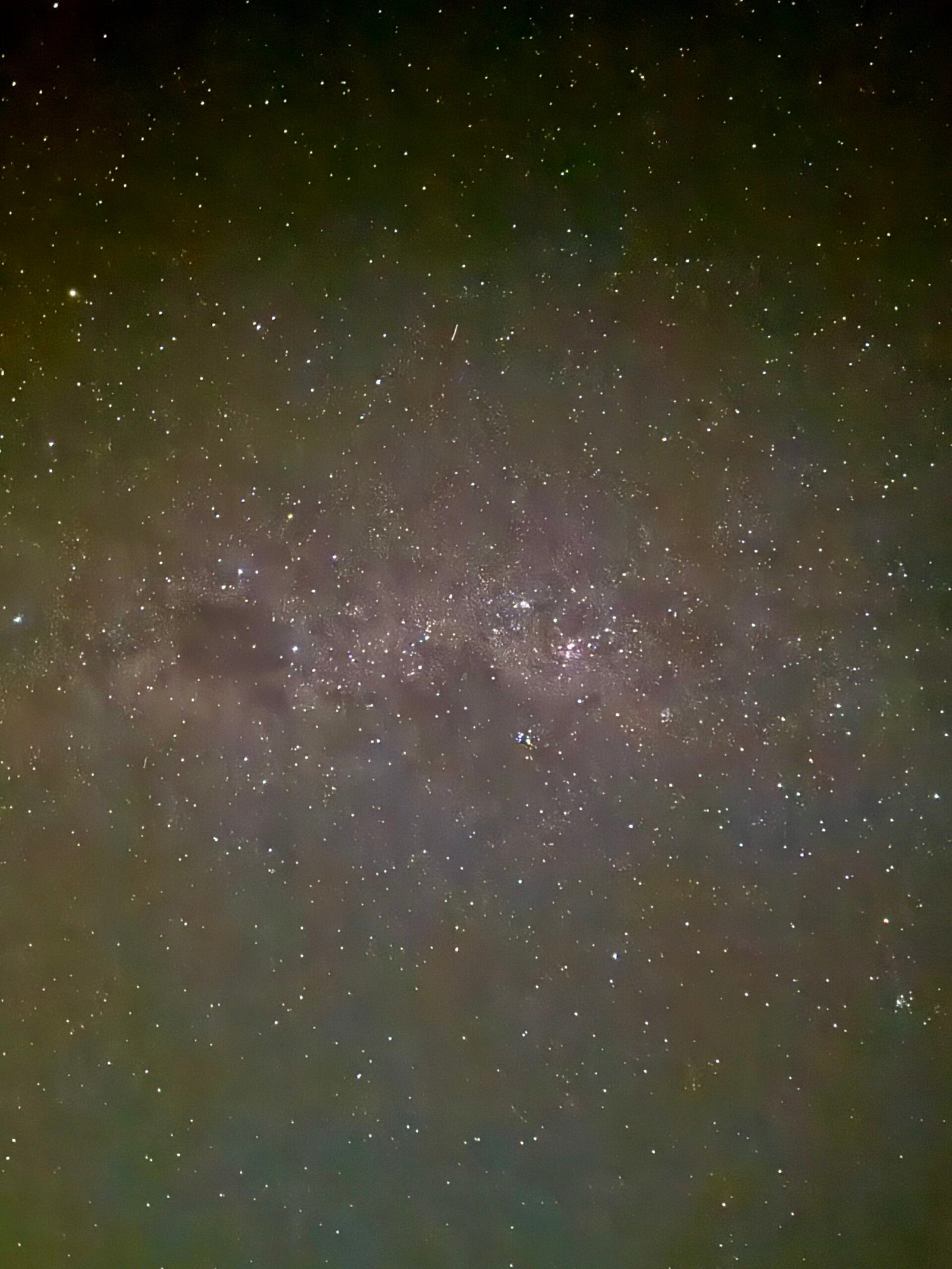
The drive took me all day and well into the night. I also kept delaying my arrival time because I couldn’t stop pulling over to look at the stars. Out here, the sky is vast, so dark and unpolluted that you can see the Milky Way stretch across in such detail. The air was completely still, the engine ticking quietly, and for the first time on the trip, I didn’t want the drive to end. I reached the Big Lagoon campsite in Francois Peron National Park after a long and bumpy drive on a winding track through soft sand dunes. Exhausted, but happy.
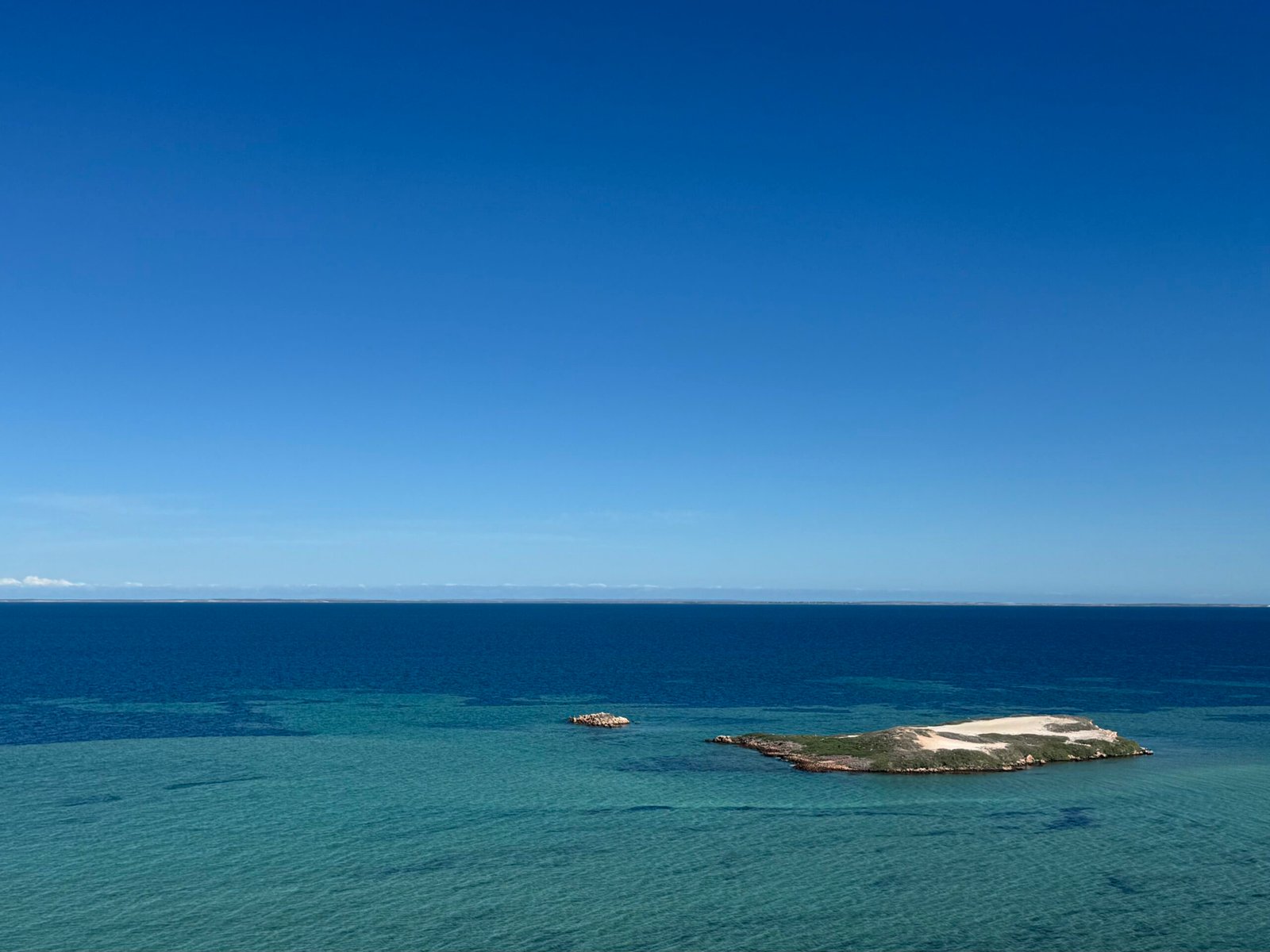
Shark Bay is a UNESCO World Heritage Site, and it truly does feel like another planet; shallow turquoise lagoons, beaches made up entirely of shells, and that glowing red earth that doesn’t seem to get old. The next morning, I woke early, watching as the landscape and colours around me were slowly brought to life as the sun rose. I explored the area too: Monkey Mia, Eagle Bluff, and Shell Beach, each spot more beautiful than the last.
Walking along the shorelines, I kept thinking about that moment on the plane exactly one year ago. Back then, I had no idea where this decision to leave would lead, and yet, somehow, I’d found my way here.
As much as I wanted to stay, Perth, and the half marathon, were waiting. So I packed up, took one last look at the views, and hit the road again.
The Finish Line
After driving more than 5,000 kilometres across the country to make it to this race, it’s almost embarrassing to admit that what nearly stopped me wasn’t a flat tyre or a kangaroo on the road, but my own terrible time management. I was literally the last person to board the ferry to Rottnest Island, sprinting down the jetty with seconds to spare before the doors closed. I couldn’t believe it. After everything, the distance, the long drives, the late nights, I’d almost missed it.
But I made it.
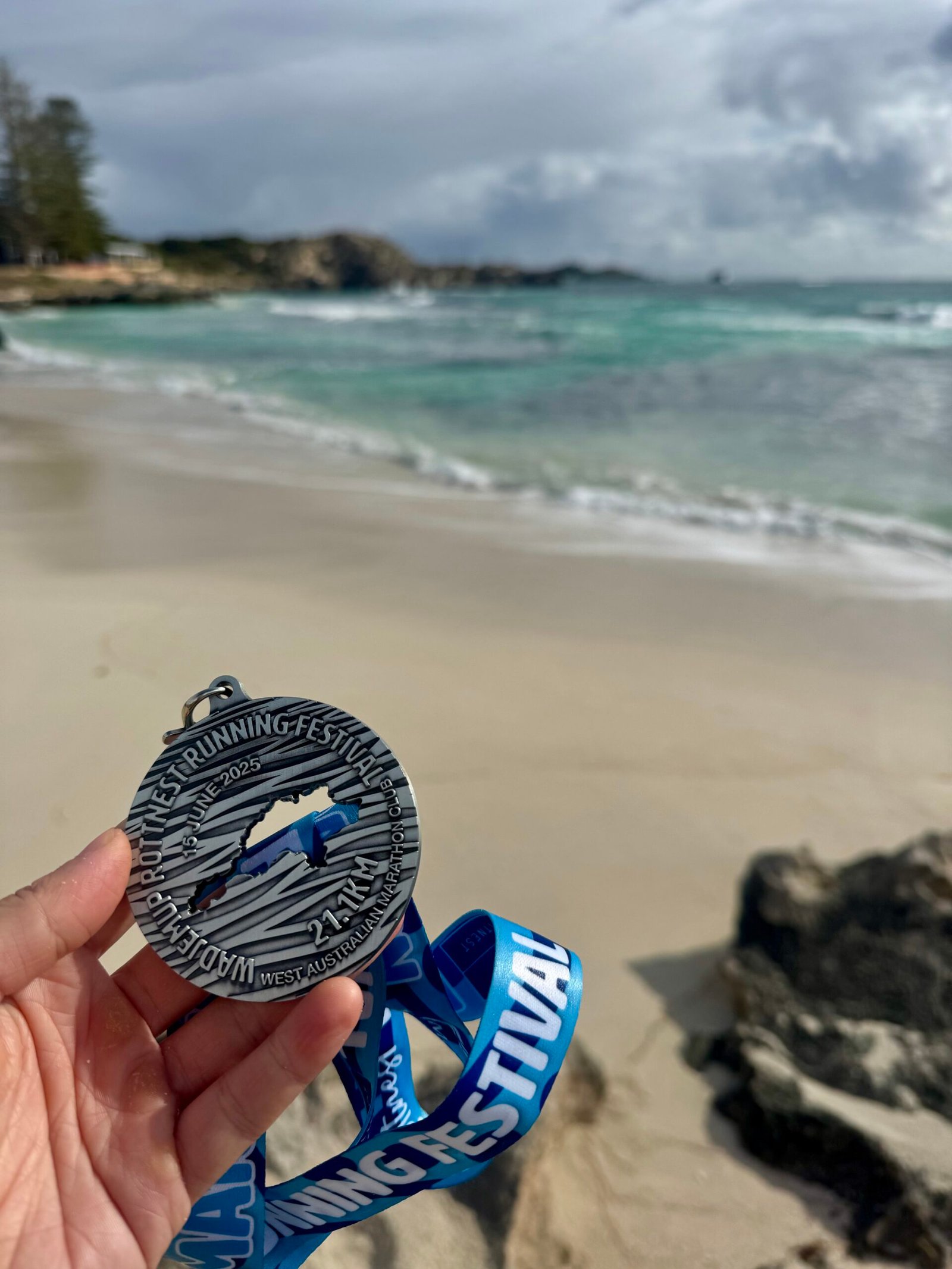
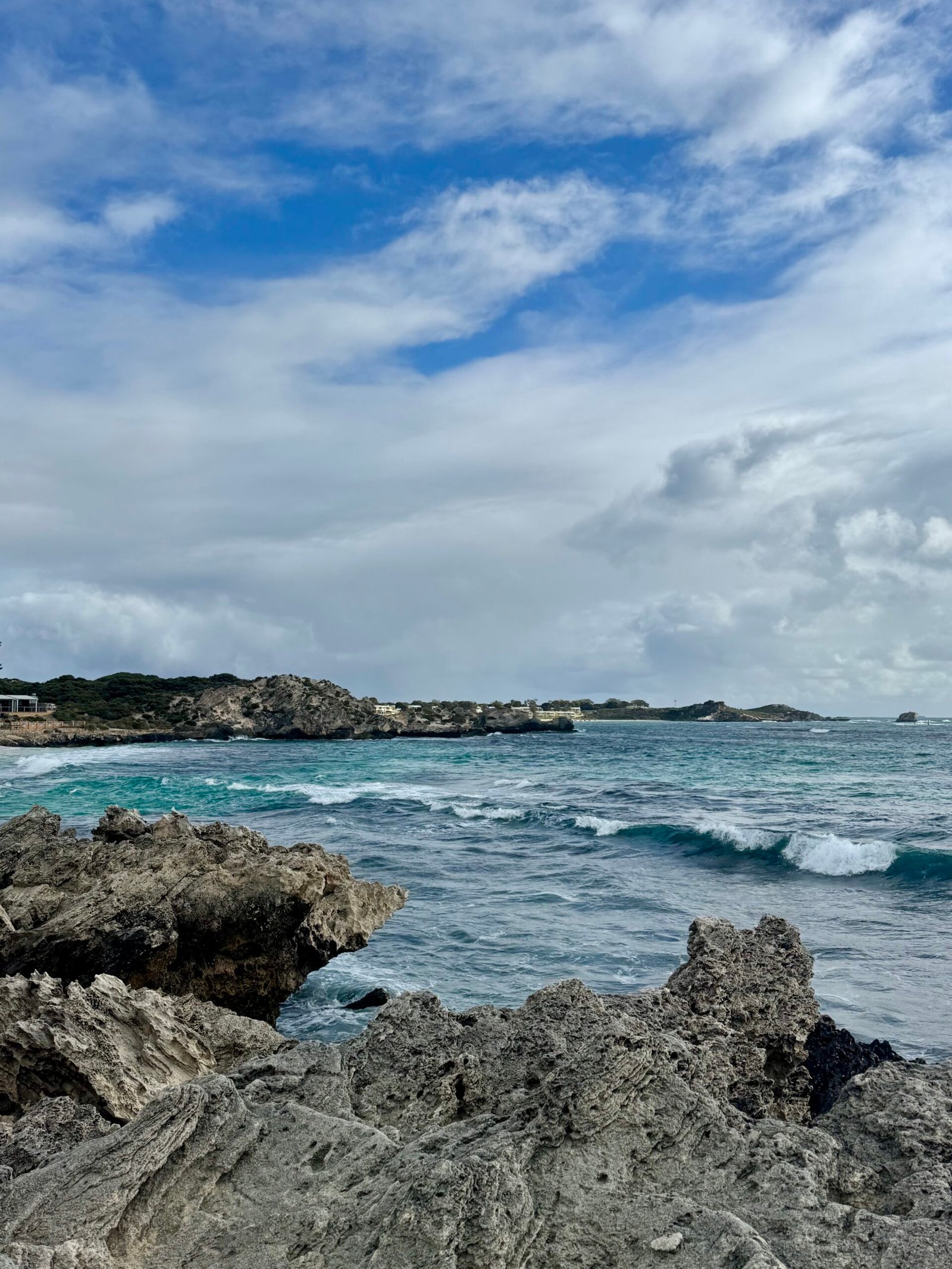
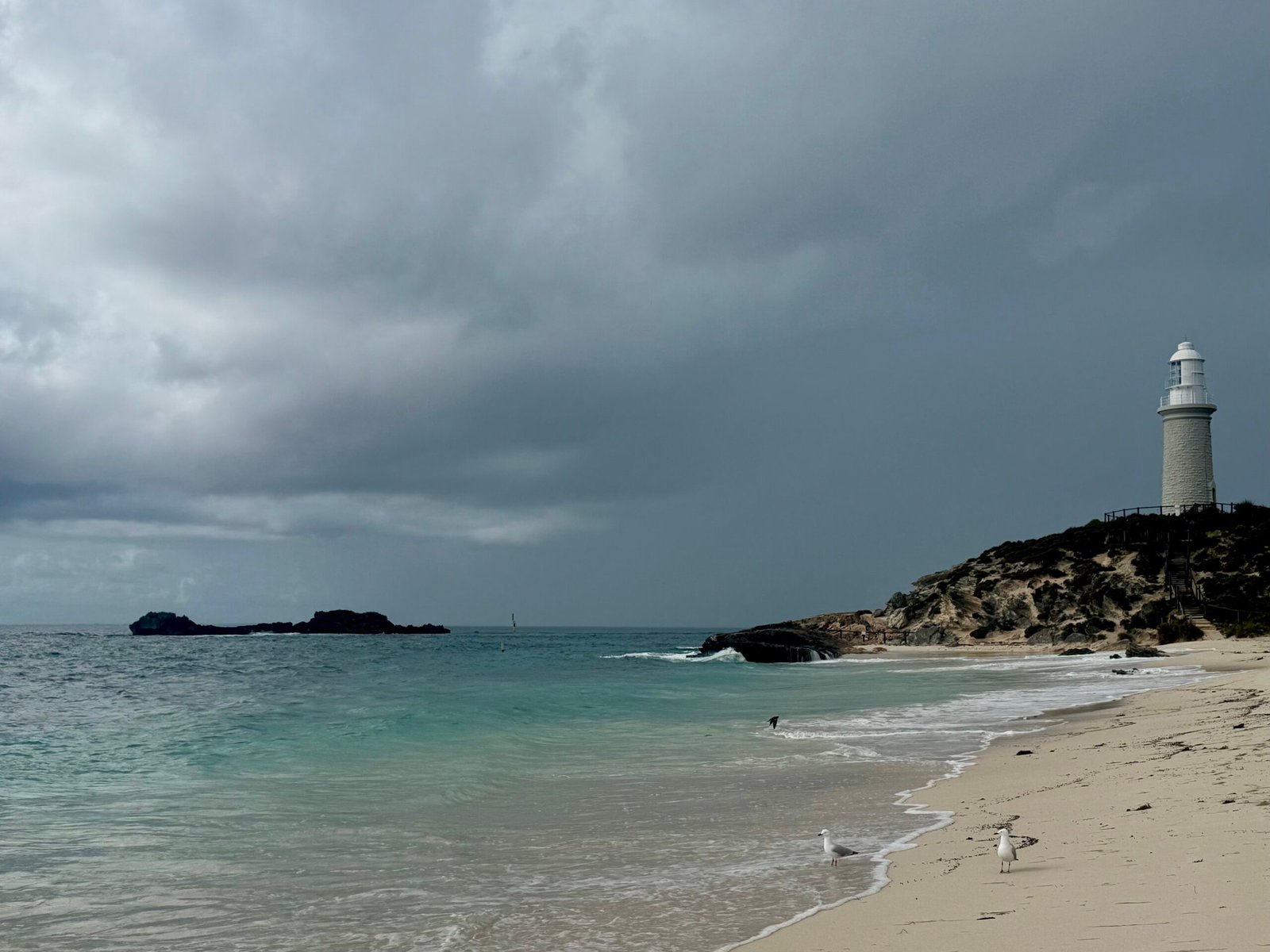
The Rottnest Island Half Marathon was pure joy. There’s a reason it’s on Red Bull’s must-run marathons list: the crowd is small but so supportive, the scenery is unreal, and the quokkas hopping along the roadside might just be the best cheering squad in the world. There was even a bagpipe band at the start line, completely random, but somehow it just worked.
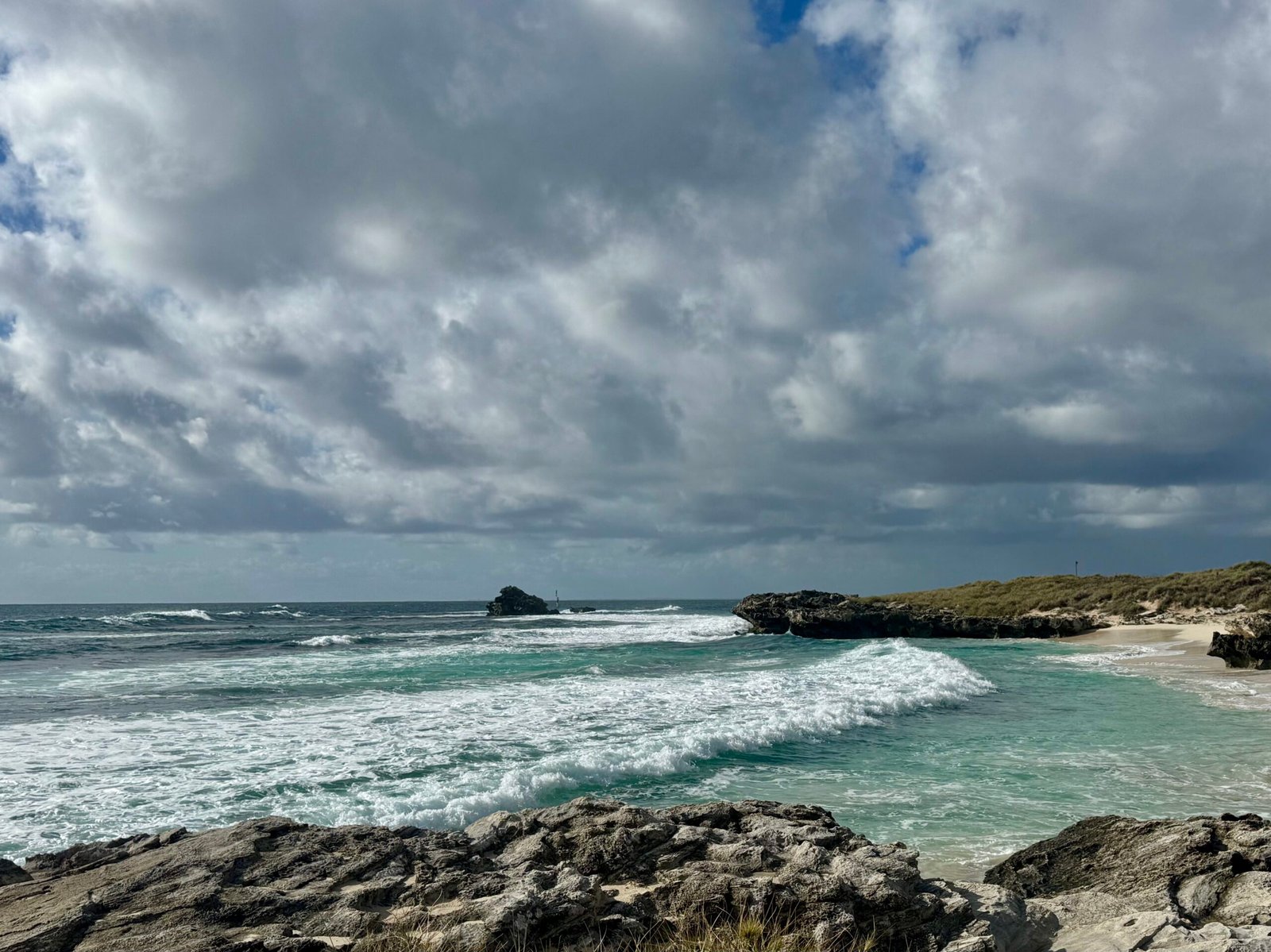
I ran without pressure, just steady and smiling the whole way. Every corner of the island brought a new view, white-sandy bays, cliffs dropping into the clear sea below, and colourful plants that dotted the land in between glassy lakes. It felt surreal to think that only a day earlier I’d been somewhere in the middle of the outback, camping under stars, with nothing but silence for company.
Being surrounded by people again felt strange but comforting. Now I was among hundreds of runners, music blasting, strangers cheering. I chatted with so many friendly faces that day, the most memorable of which was an older British couple living in Perth who told me they were planning to rollerblade across Finland. I loved that. The world really is full of people quietly chasing their own kinds of freedom.
Crossing the finish line wasn’t about time or medals; it was the feeling of arrival. Of having made it, in every sense. The drive, the solitude, the heat, the quiet. It had all led to this. A moment of celebration on a tiny island off the coast of Western Australia.
It was the perfect way to end the trip.
Looking Back
Looking back, those eight days feel like a blur of red dust, a lot of improvising, and unexpected calm. It wasn’t the most practical plan, crossing half a continent alone with almost no preparation, but it was real, and somehow, it worked.
There’s something about Australia’s empty spaces that strips everything down until it’s just you, the road, and whatever you’ve been avoiding. I didn’t set out looking for anything, but I found a quiet kind of confidence anyway, the kind that comes from knowing you can handle being alone, getting lost, and figuring things out as you go.
When I think about that week now, I don’t remember the kilometres or the finish line. I remember the hum of the engine at night, the red dust clinging to my clothes, the Milky Way stretching across the sky, and the feeling of pulling up somewhere new each evening, thinking, this is all mine to navigate.
What started as a last-minute visa run became something far bigger; a quiet reminder that sometimes the best decisions are the ones you don’t overthink.